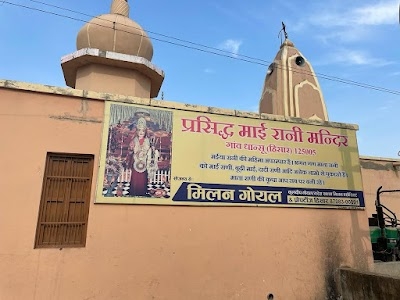
Local Temple – This is a local Hindu temple, typically serving as a community hub for worship and spiritual gatherings in the Dhansu area. It's a place where devotees connect with the divine and observe religious customs.
Spiritual or cultural significance
Devotion & Tradition – As a temple, it holds significant spiritual value for the local Hindu community. It's often dedicated to a particular deity or a form of the Divine Mother (Mai Rani, which translates to Queen Mother), serving as a focal point for prayers, festivals, and cultural traditions. It embodies the faith and heritage of the region.
Why people come here
Worship & Blessings – People primarily visit to offer prayers, seek blessings, perform rituals, and participate in religious ceremonies. It’s also a place for quiet contemplation, community interaction, and celebrating various Hindu festivals throughout the year.
What to expect
Peaceful Atmosphere – You can generally expect a peaceful and reverent atmosphere, often accompanied by the sounds of devotional music or chants. It typically attracts a mix of local devotees, families, and visitors seeking spiritual solace. The environment is usually calm, especially outside of major festival times.
Visitor etiquette
Respectful Conduct – When visiting, it’s customary to dress modestly, covering shoulders and knees. Removing your footwear before entering the main shrine is also a common practice. Maintaining a respectful demeanor and a quiet voice is appreciated, especially during prayer times. Photography policies might vary, so it's good to observe local signs or ask.
Practical info
General Access – Temples generally have open hours for devotees, which can vary. It's advisable to check locally for specific timings. While there might not be formal entry fees, voluntary donations are common. Accessibility might vary, with some temples having steps or uneven surfaces.
Good to know
Community Spirit – Many local temples, like this one, are deeply intertwined with the community's daily life. You might find small shops selling offerings nearby or notice community events being organized around the temple premises, reflecting its role as a spiritual and social center.