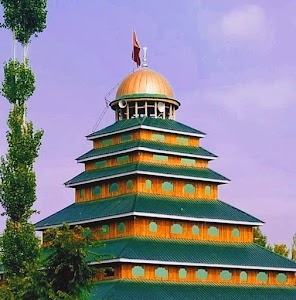
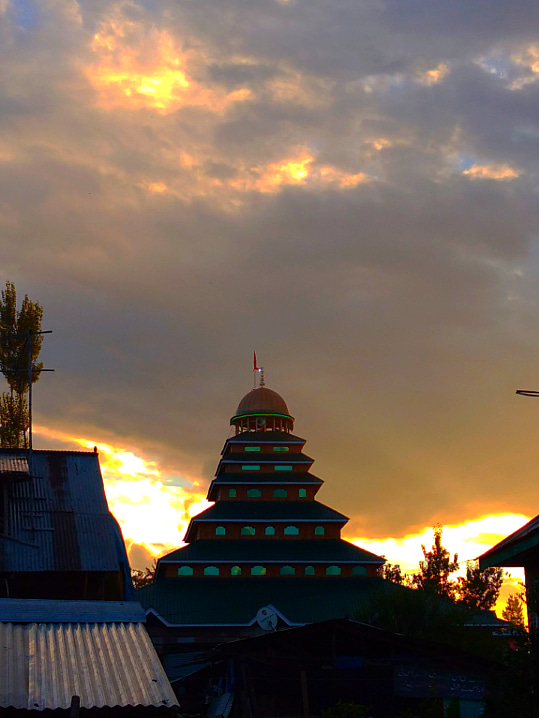
Religious Hall – This is an Imambargah, a significant religious building primarily used by the Shia Muslim community. It serves as a central place for gatherings, prayers, and commemorating important religious events and figures.
Spiritual Importance
Community Hub – For the local Shia community, this Imambargah holds deep spiritual and cultural significance. It is a focal point for religious education, collective prayers, and especially for observing ceremonies like Majalis (mourning gatherings) during Muharram and other significant Islamic dates. It represents a place for spiritual reflection and communal solidarity.
Reasons to Visit
Religious Observance – People typically come here for religious observance, to attend congregational prayers, listen to religious lectures, participate in mourning ceremonies, and engage with the community. It's a place for spiritual solace and connection.
Your Experience
Serene Environment – When you visit, I expect you'll find a serene and respectful atmosphere. The focus is on devotion and community. You might observe people engaged in prayer, recitation, or quiet contemplation. During specific events, the place can be quite vibrant with community participation.
Respectful Conduct
Modest Dress – As with most religious sites, I recommend dressing modestly, ensuring shoulders and knees are covered. It's customary to remove your shoes before entering the main prayer hall. Maintaining a respectful demeanor and silence during prayers or sermons is also appreciated.
Visitor Guidance
Event-Based Access – Access to the Imambargah is generally tied to prayer times or specific religious events. While it may not have fixed public visiting hours like a museum, it's open for community members during these times. Facilities are typically basic, focusing on the needs of worshippers.
Helpful Tips
Community Focus – This Imambargah functions as a cornerstone of the local Shia community in Mahawara. It's a place where traditions are upheld, and spiritual guidance is sought, reflecting the deep faith and cultural heritage of its congregants.