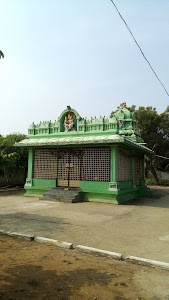
Hindu Temple – This Sivalayam is a Hindu temple dedicated to Lord Shiva, one of the principal deities of Hinduism. It serves as a sacred space for worship and spiritual devotion for the local community and visitors.
Why people come here
Worship & Devotion – People typically visit to offer prayers, perform rituals, and seek blessings from Lord Shiva. It's a place for spiritual solace, meditation, and observing religious festivals.
What to expect
Serene Atmosphere – I find that you can expect a generally peaceful and devotional atmosphere here. During major festivals or special puja times, it might be more crowded. It suits individuals and families looking for a spiritual experience or a quiet place for reflection.
Spiritual or cultural significance
Lord Shiva's Abode – As a Sivalayam, it holds deep spiritual significance for devotees of Lord Shiva. It represents a sacred space where the divine presence is felt, often associated with cosmic energy and transformation in Hindu beliefs.
Visitor etiquette
Respectful Conduct – When I visit, I always observe a respectful demeanor. It's generally advisable to dress modestly, covering shoulders and knees. Photography rules can vary, so it’s good to be discreet or check for signage. Maintaining silence or speaking softly is appreciated, especially within the main shrine.
Practical info
General Access – Temples like this typically have specific opening and closing hours, usually from early morning to noon and then again in the evening. Parking might be available nearby, but it can vary. I always recommend planning your visit during daylight hours for ease.
Best time to go
Early Mornings/Evenings – For a quieter experience, I often find that early mornings or late evenings are the best times to visit, avoiding the midday heat and potential crowds. During major festivals like Mahashivaratri, the temple will be very lively and busy.
Good to know
Offerings – You might see devotees bringing offerings like flowers, fruits, or milk. If you wish to participate, these are often available from vendors outside or near the temple entrance.