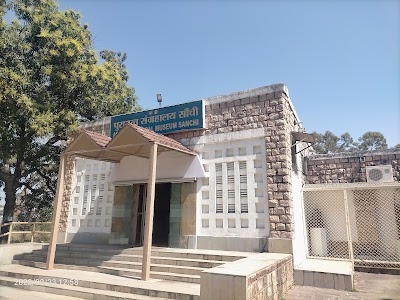
Archaeological Museum – I find the ASI Museum in Sanchi to be a crucial part of understanding the ancient Buddhist site. It serves as a repository for many of the precious artifacts unearthed during the excavations of the Sanchi Stupas. This museum helps preserve and display the rich history and artistry of the region.
Why people come here
Historical Context – Visitors typically come here to gain deeper insights into the Sanchi archaeological site. It complements the experience of seeing the stupas by showcasing smaller, more delicate findings that cannot be left exposed to the elements. It’s a place for learning and appreciating ancient Indian art and Buddhist culture.
What to expect
Educational Experience – Here, you can expect a calm and informative environment. The museum houses a collection of sculptures, relics, pottery, and metal objects. It offers a quiet space to reflect on the historical significance of Sanchi and the spread of Buddhism in ancient India.
Historical background
Foundation by Marshall – This museum was established in 1919 by Sir John Marshall, the then Director-General of the Archaeological Survey of India (ASI). It was specifically designed to house the numerous antiquities discovered during his extensive excavations at the Sanchi site, making it one of the earliest site museums in India.
Key highlights
Ancient Treasures – Among the most significant exhibits, you'll find the Lion Capital , a replica of the famous Ashokan pillar capital, various Buddhist sculptures, and intricate carvings that once adorned the stupas. There are also pottery shards, metal implements, and inscriptions that provide valuable historical context.
How much time to spend
1-2 Hours – I recommend allocating about one to two hours to comfortably explore the museum's collections. This allows enough time to appreciate the artifacts and read the informative displays without feeling rushed.
Practical info
Entry & Timings – The museum is generally located close to the main Sanchi Stupas complex. There is typically a separate entry fee for the museum. It is usually closed on Fridays, so it's good to check the specific operating hours before your visit.
Good to know
Complementary Visit – Visiting the museum often enhances the experience of exploring the Sanchi Stupas . The indoor exhibits provide detailed context and a closer look at the craftsmanship and religious symbolism that can be harder to discern at the outdoor monuments.