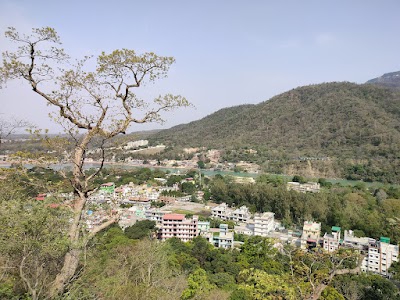
Trekking Point – I see this as a designated starting point for the trek to the holy Neelkanth Mahadev Temple . It's a significant landmark for pilgrims and trekkers heading towards the temple, which is nestled amidst the Garhwal Himalayas.
Why people come here
Pilgrimage & Adventure – People primarily come here to embark on the trek to Neelkanth Mahadev Temple, a revered Hindu shrine dedicated to Lord Shiva. It's a journey that combines spiritual devotion with the adventure of a mountain trail. Many visit during the holy month of Shraavan.
What to expect
Pilgrim Trail – Expect a trail that is well-trodden, especially during peak pilgrimage seasons. The path can be steep and rocky in sections, but it offers scenic views of the surrounding hills and valleys. You'll likely encounter many fellow devotees and some local vendors along the way.
Best time to go
Post-Monsoon & Spring – The best time to undertake this trek is generally from September to November and from March to May. During these periods, the weather is pleasant, and the natural beauty is at its peak. Avoid the monsoon season (July-August) due to slippery trails and heavy rainfall, and extreme winter months (December-February) when it can be very cold.
Practical info
Preparation – I recommend wearing comfortable trekking shoes and carrying sufficient water and snacks. The trail can be challenging for some, so assess your fitness level. There are usually small shops selling refreshments along the route, but it's good to be self-sufficient.
Good to know
Legends – The Neelkanth Mahadev Temple is believed to be the spot where Lord Shiva consumed the poison Halahala during the Samudra Manthan (churning of the ocean), turning his throat blue (Neelkanth means "Blue Throat"). The trek itself is considered an act of devotion.
What to do here
Trekking & Photography – The main activity is the trek to Neelkanth Mahadev Temple. Along the way, you can enjoy the natural beauty, take photographs of the landscapes, and immerse yourself in the spiritual atmosphere. It's a journey of both physical and spiritual exploration.
Safety and preparedness
Moderate Effort – The trek requires a moderate level of physical fitness. The path can be uneven, with uphill and downhill sections. It's advisable to carry a first-aid kit, especially for blisters or minor injuries. Stay hydrated and be mindful of your surroundings.
Accessibility and effort level
Foot Access – The trek point is accessible by road from Rishikesh . From there, the journey to the temple is primarily on foot. The trail is generally well-marked, but it does involve a significant amount of walking and climbing.