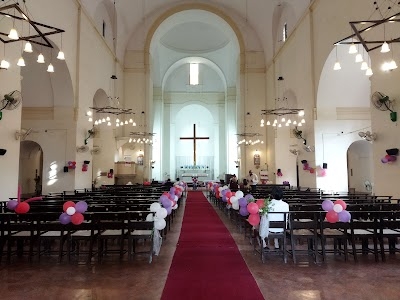
St. Martin's Church, Church Road, Birjlal Dua Marg, Pratap Chowk, Delhi Cantonment, New Delhi
St. Martin's Church
Explurge-Ins
1
Ratings (212)
4.7
Distance
-
St. Martin's Church, Delhi Cantonment
Historical Church – This is St. Martin's Church, an active place of worship located in the serene surroundings of Delhi Cantonment. It stands as a significant landmark, known for both its spiritual role and its distinctive architectural style.
Spiritual or Cultural Significance
Active Worship & Architectural Marvel – St. Martin's Church holds deep spiritual significance for its congregation, serving as a vibrant center for Christian worship and community gatherings. Culturally, it is celebrated as an exceptional example of early 20th-century architecture in India, drawing interest from design enthusiasts and historians alike.
What to Expect
Unique Architecture & Peaceful Ambiance – When I visit, I find a remarkably peaceful and contemplative atmosphere. The church's unique design, often described as resembling a fortress or a battleship, offers a visually striking experience. Inside, the space is simple yet grand, fostering a sense of calm reflection. It primarily caters to its active worshippers but welcomes respectful visitors interested in its heritage.
Visitor Etiquette
Respectful Conduct – As with any place of worship, I recommend dressing modestly and maintaining a quiet demeanor, especially during service times. Photography may be permitted, but it's always respectful to check for any specific guidelines posted or to ask permission if unsure, particularly inside the main sanctuary.
Practical Info
Location & Accessibility – The church is situated within the Delhi Cantonment area, making it accessible by various modes of transport. While specific visitor hours for non-service times can vary, it is generally open for its regular Sunday services and other scheduled events. Parking is usually available nearby.
Good to Know
Modernist Design – One of the most fascinating aspects of St. Martin's Church is its architecture. Designed by Arthur Gordon Shoosmith, it was consecrated in 1930 and is considered a masterpiece of modern design, blending elements of Art Deco and early Brutalism. Its imposing structure of unadorned red brick stands out dramatically against the Delhi skyline.