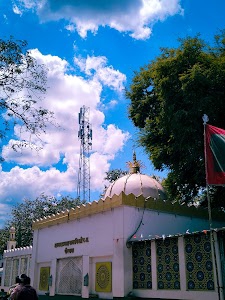
Revered Shrine – This is a revered spiritual site, commonly known as Peerbaba Katni, located in Pipraundh, Madhya Pradesh. I understand it functions as a dargah or shrine dedicated to a Sufi saint, a place of peace and devotion for many.
Why people come here
Seek Blessings – People typically come here to seek blessings, offer prayers, and find a sense of spiritual solace. Many devotees visit with specific wishes or to express gratitude after their prayers have been answered. It's a place where faith and hope converge.
Spiritual or cultural significance
Sufi Tradition – Peerbaba Katni holds significant spiritual and cultural importance, particularly within the Sufi tradition. I find that such sites often represent interfaith harmony and are considered sacred spaces where people from various backgrounds come together to pay their respects to the revered saint.
What to expect
Peaceful Atmosphere – When you visit, I anticipate a generally peaceful and serene atmosphere, though it can become quite vibrant during special occasions or festivals. You'll likely see a mix of local devotees and visitors, all engaging in quiet prayer or reflection. The air often carries a sense of devotion and community.
Visitor etiquette
Respectful Conduct – It’s important to observe respectful conduct here. I recommend dressing modestly, covering your head (especially for women, though often optional), and removing your footwear before entering the main shrine area. Photography rules can vary, so it's always good to be mindful and discreet. Maintaining a calm demeanor is appreciated.
Practical info
Open Daily – The shrine is generally open to visitors throughout the day, though specific opening and closing times can vary. A typical visit might last anywhere from 30 minutes to an hour, depending on your personal devotion. Accessibility is usually straightforward, but facilities like dedicated parking or washrooms might be basic.
Good to know
Local Gatherings – I've learned that Peerbaba Katni is not just a place of individual prayer but also often serves as a focal point for local community gatherings and celebrations, especially during Urs (death anniversary of the saint) or other religious festivals. These times can offer a more vibrant cultural experience.