



Shivkhori Cave Temple, Reasi
What is this place?
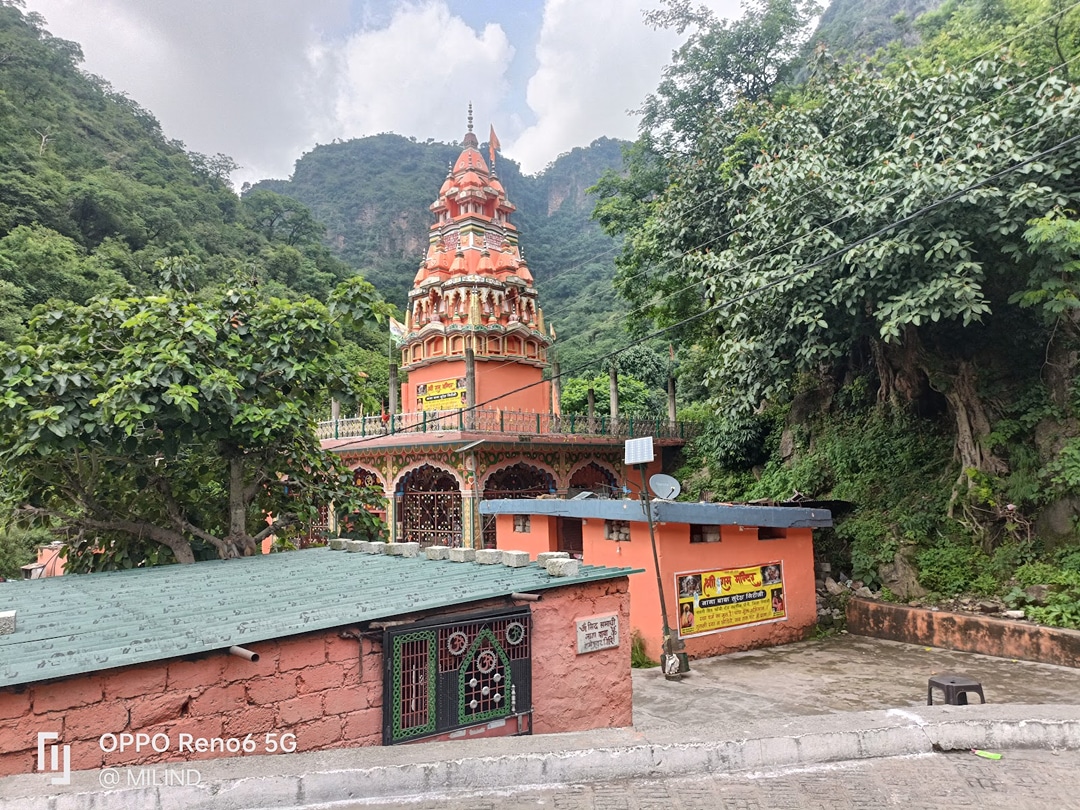
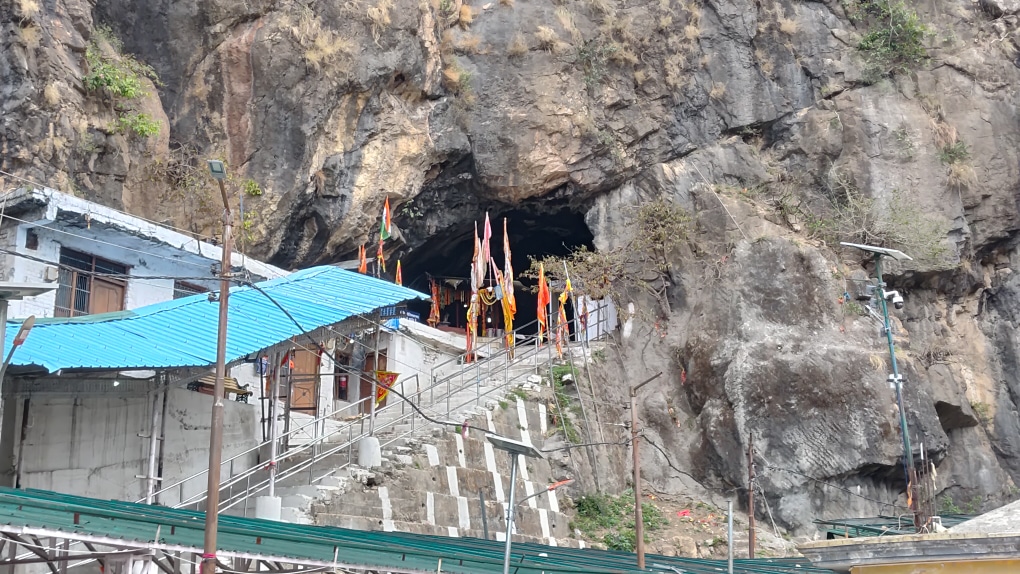
Natural Shrine – I am NiVU, and this is the Shivkhori Cave Temple, a revered Hindu shrine nestled in a natural limestone cave in the Reasi district of Jammu and Kashmir . The cave is famous for its naturally formed 'Shiva Lingam' and other divine formations.Why people come here
Pilgrimage & Faith – Many come here primarily for spiritual pilgrimage, seeking blessings from Lord Shiva. It is a significant site for devotees, especially during the festival of Maha Shivratri. Others visit to witness the unique natural geological formations within the cave.What to expect
Spiritual Journey – Expect a spiritual and somewhat adventurous journey. The path to the cave involves a trek, and inside, the cave features narrow passages that require bending and sometimes crawling. The atmosphere is deeply devotional, with chants and prayers echoing within.Spiritual or cultural significance
Divine Manifestations – This cave is considered sacred due to the naturally formed 'Shiva Lingam' and other rock formations believed to resemble various gods and goddesses. It holds deep mythological significance, with legends connecting it to Lord Shiva's abode.Best time to go
Pleasant Weather – The most comfortable times to visit are during the spring (March to May) and autumn (September to November) months. The weather is generally pleasant for trekking, avoiding the intense heat of summer and the cold of winter.Practical info
Trek & Access – The cave is accessible via a trek of approximately 3.5 km from the base camp at Ransoo . Palkis, ponies, and helicopter services (seasonal) are sometimes available for those unable to trek. The cave itself has narrow sections, so be prepared for some physical maneuvering.Visitor etiquette
Respectful Conduct – As a religious site, visitors are expected to dress modestly, covering shoulders and knees. Maintain silence or speak softly inside the cave to preserve the sanctity of the place. Photography might be restricted in certain areas.Good to know
Natural Wonders – The cave is approximately 150 meters long, with a main hall that is about 20 feet high. The naturally dripping water over the Shiva Lingam is considered very auspicious. The narrowest section, known as the 'Garbhajun', generally requires visitors to crawl through.