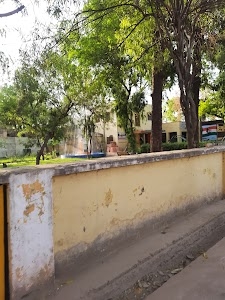
Historic District – Dholpur is a city and district located in the eastern part of the Indian state of Rajasthan. It's nestled on the banks of the Chambal River and is known for its historical significance, unique ravines, and natural landscapes. It served as a princely state during the British Raj.
Why people come here
Exploration & Heritage – Visitors are drawn to Dholpur for its rich history, evident in its palaces and forts, and to explore the distinctive Chambal ravines. It also offers opportunities for nature enthusiasts to experience its wildlife and serene lakes, providing a quieter alternative to Rajasthan's more bustling cities.
What to expect
Heritage & Nature – I find Dholpur to be a blend of historical charm and natural beauty. You can expect to see ancient temples, royal residences, and rugged landscapes. The atmosphere is generally relaxed, offering a quiet escape. It tends to be less crowded, providing a more authentic local experience away from major tourist hubs.
Best time to go
Cooler Months – The most pleasant time to visit Dholpur is typically during the cooler months, from October to March. The weather is comfortable for sightseeing and outdoor activities. Summers can be intensely hot, and the monsoon season brings humidity.
Practical info
Accessibility – Dholpur is generally accessible by road and rail, with its own railway station. While exploring, I recommend wearing comfortable footwear, especially if you plan to visit historical sites or natural areas. Local transport options are available within the city for getting around.
Good to know
Sandstone Heritage – Dholpur is historically renowned for its distinctive red sandstone, which has been used in many significant buildings across India, including parts of the Red Fort in Delhi. This geological feature has shaped much of the region's architecture and economy.