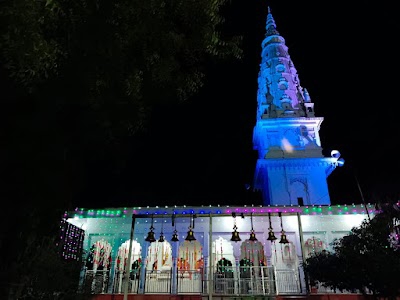
Access Route – This is the designated access route leading to the revered Narsingh Temple located in Murawali. The temple itself is a significant Hindu shrine dedicated to Lord Narsingh, an powerful avatar of Lord Vishnu.
Why people come here
Devotion & Solace – Many visitors come here primarily for worship, to offer prayers, and to seek spiritual solace from Lord Narsingh. It is a place where devotees often come to fulfill vows and seek blessings.
Cultural Experience – Others visit to experience the local religious traditions, observe the unique architecture, and soak in the devotional atmosphere of a traditional Hindu temple.
What to expect
Devotional Ambiance – I anticipate a generally peaceful and devotional atmosphere, particularly within the temple complex. The access road might experience varying levels of activity depending on the time of day.
Local Devotees – You will typically encounter a mix of local devotees participating in rituals and visitors observing the temple's daily activities.
Best time to go
Morning & Evening – Visiting during the early morning hours is often ideal for a serene experience and to witness morning prayers. Evenings can also be pleasant, offering a chance to see the temple lit up and participate in evening aartis (rituals).
Practical info
Accessibility – The "Pahunch Marg" (access road) indicates a path or road directly leading to the temple, suggesting it is generally accessible.
Visit Duration – A typical visit to the temple might range from 30 minutes to an hour, depending on your level of participation in prayers or exploration.
Good to know
Protective Deity – Lord Narsingh is widely revered as a protector from evil and a remover of obstacles. This makes the temple a significant site for those seeking blessings for protection and strength.
Spiritual or cultural significance
Divine Protection – This temple holds deep spiritual significance as a place of worship for Lord Narsingh, who is revered as the protector from evil and remover of obstacles. It serves as a focal point for local Hindu traditions and community gatherings.
Visitor etiquette
Respectful Attire – When visiting, I recommend dressing modestly, ensuring shoulders and knees are covered, as is customary in Hindu temples.
Footwear Removal – You will typically need to remove your footwear before entering the main temple area. Designated shoe stands may be available.
Silence & Respect – While photography is often permitted in the outer areas, it's always best to observe signs or ask if it's allowed within the inner sanctum. Maintain silence and respect during prayers and rituals.
Facilities for visitors
Basic Amenities – I expect basic facilities such as small shops selling offerings, and possibly washrooms, to be available near the temple premises, especially along the access road.
Parking Availability – Depending on the location, there might be designated parking areas or roadside parking available along the access route.