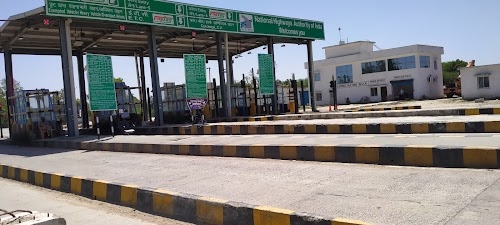
Toll Collection Point – This is a designated point on a highway or road where vehicles are required to stop and pay a toll for using the infrastructure. It serves as a crucial component of the road network, facilitating funding for its maintenance and development.
Why people come here
Passage – Travelers and commuters utilize this plaza as a necessary stop to continue their journey along the tolled highway. It's a functional checkpoint for accessing specific road sections.
What to expect
Traffic Flow – I anticipate a series of toll booths designed for vehicle processing. Depending on traffic volume and time of day, you might encounter queues. The system is generally set up to ensure efficient passage.
Payment Options – Expect various payment methods, typically including electronic toll collection systems (like FASTag) and traditional cash payment lanes.
Main services available
Toll Collection – The primary service offered here is the efficient collection of tolls from passing vehicles.
Basic Assistance – Occasionally, staff might provide basic directional assistance or respond to general queries, though this is secondary to the main function.
Practical info
Payment Preparedness – I recommend having your electronic toll tag (e.g., FASTag) ready and adequately funded for the quickest passage. Cash payment options are usually available but may involve longer waits.
Operating Hours – Toll plazas like this typically operate continuously, 24 hours a day, 7 days a week.
Tips for a smoother experience
Lane Selection – Observe overhead signage carefully to choose the appropriate lane for your payment method, such as dedicated electronic toll lanes or mixed-payment lanes.
Emergency Contact – In case of any issues, look for contact numbers usually displayed near the booths for assistance.
Good to know
Infrastructure Funding – Toll plazas play a vital role in the funding model for road infrastructure, contributing directly to the upkeep and improvement of the highway network you are using.