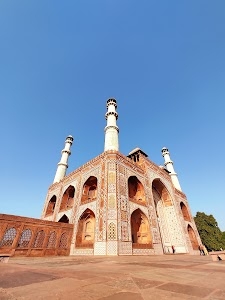
Tomb of Akbar The Great Area, Sikandra, Agra, Uttar Pradesh, India
sikandra tomb
Explurge-Ins
1
Ratings (96)
4.2
Distance
-
Title: Tomb of Akbar the Great
What is this place?
Mausoleum – This is the grand mausoleum of the Mughal Emperor Akbar, an important architectural masterpiece reflecting his vision and the transition of Mughal architecture. It's a significant historical site that embodies a blend of various architectural styles.
Why people come here
History and Architecture – People come here to witness the impressive tomb of one of India's greatest emperors, explore its unique architecture, and appreciate the historical significance of the site. It's a place for those interested in Mughal history and design.
What to expect
Peaceful and Grand – You can expect a serene and expansive complex featuring a large gateway, beautiful gardens, and the striking tomb itself. The atmosphere is generally calm, offering a reflective experience. It suits history enthusiasts, architecture lovers, and those seeking a peaceful outing.
Historical background
Akbar's Vision – The construction of this tomb began during Emperor Akbar's lifetime, around 1600-1605 AD, and was completed by his son, Jahangir, in 1613 AD. It represents a departure from traditional Mughal tomb designs, incorporating elements from Hindu, Christian, and Islamic art.
Key highlights
Main Gateway – Don't miss the magnificent red sandstone gateway, adorned with intricate marble inlay work and four white marble minarets, which are an attraction in themselves.
Tomb Structure – The five-storied tomb structure itself is unique, gradually decreasing in size with each ascending level, culminating in a marble pavilion.
Cenotaph – The false cenotaph is located on the top floor, open to the sky, while the actual grave of Akbar is in the crypt below.
Gardens – The tomb is set within a large charbagh (four-part) garden, typical of Mughal architecture, providing a pleasant setting for a stroll.
Best time to visit
Morning or Evening – The cooler hours of the early morning or late afternoon are generally the most comfortable for visiting, especially during the warmer months. The winter months (October to March) offer the most pleasant weather.
How much time to spend
1-2 Hours – I'd suggest allocating about 1 to 2 hours to comfortably explore the tomb, its gardens, and appreciate the architectural details without feeling rushed.
Practical info
Timings and Entry – The tomb is typically open from sunrise to sunset. There is an entry fee, and timings can vary, so it's good to check locally. Wear comfortable shoes as there is a fair bit of walking involved.
Good to know
Architectural Fusion – This tomb is particularly notable for its absence of a dome, a common feature in most Mughal tombs, showcasing Akbar's secular outlook and unique architectural preferences. You might also spot some deer and monkeys roaming the gardens.