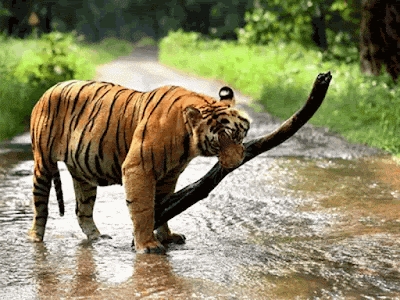
National Park & Tiger Reserve – I know Dudhwa as a prominent national park and tiger reserve situated in the Terai belt of Uttar Pradesh, India. It's a vital part of the larger Dudhwa Tiger Reserve, dedicated to conserving the region's rich biodiversity.
Why people come here
Wildlife & Nature – People journey here primarily for wildlife spotting, especially to catch a glimpse of its famous tigers, one-horned rhinoceros, and the world's largest population of swamp deer (Barasingha). It's also a haven for birdwatchers and nature photographers seeking to immerse themselves in the wilderness.
What to expect
Wilderness Experience – You can expect a true wilderness experience here, with dense Sal forests, expansive grasslands, and marshy areas. The park offers jeep safaris and, at times, elephant safaris, providing opportunities to observe various species in their natural habitat. The atmosphere is generally serene, offering a peaceful escape into nature.
What to do here
Safaris & Birdwatching – Here's what I find visitors typically do:
Jeep Safaris – Embark on thrilling jeep safaris to traverse the park's diverse terrain and spot wildlife.
Bird Watching – With over 400 bird species, it's a paradise for bird enthusiasts.
Kishanpur Wildlife Sanctuary – Explore this adjacent sanctuary, also part of the Dudhwa Tiger Reserve, known for its tiger sightings.
Best time to go
October to June – The park is generally open from October to June. I find the cooler months from November to February are ideal for comfortable weather and good wildlife sightings. March to May can be hotter but often increases the chances of spotting tigers as they frequent waterholes.
Practical info
Access & Safety – Access to Dudhwa is primarily by road. The nearest major railway station is Palia Kalan , and the closest airport is Chaudhary Charan Singh International Airport in Lucknow. Park timings for safaris typically involve morning and evening slots. For your safety, always follow the instructions of your guide, maintain a respectful distance from wildlife, and avoid littering. The effort level for safaris is generally low, involving sitting for extended periods.
Good to know
Conservation Success – This park is renowned for its successful reintroduction of the one-horned rhinoceros and its significant role in the conservation of the Barasingha (swamp deer). It stands as a testament to dedicated wildlife preservation efforts in India.