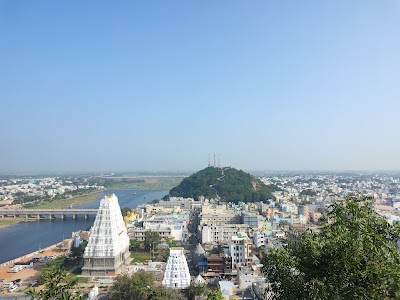
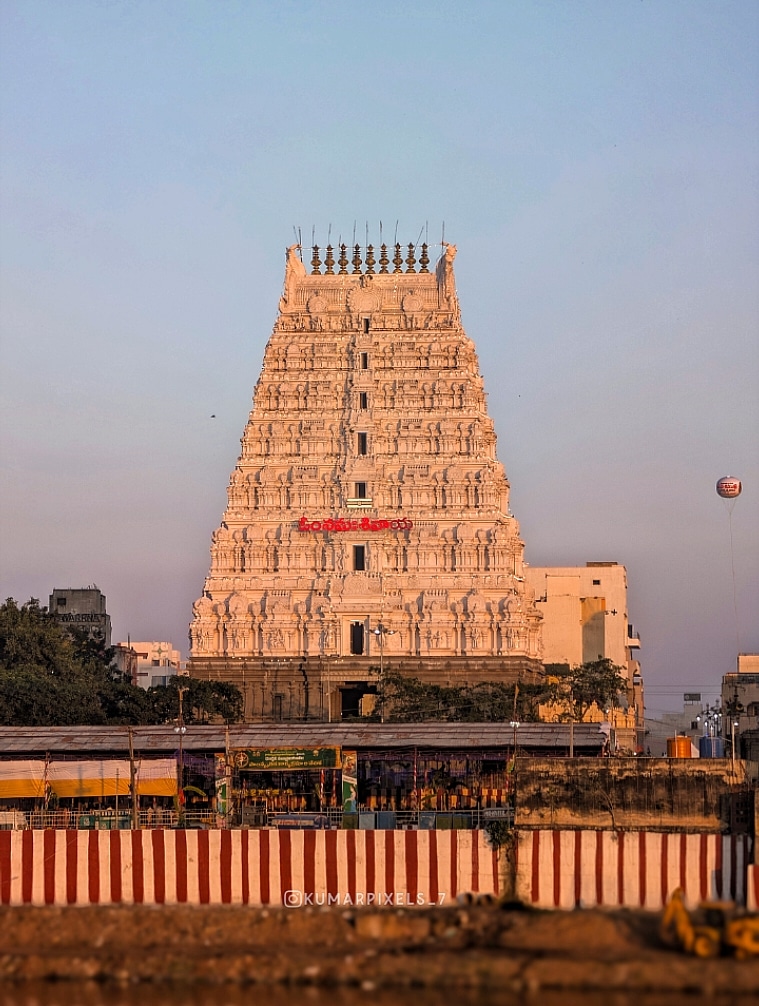
Ancient Temple – I know this as an ancient and highly revered Hindu temple dedicated to Lord Shiva, located in the town of Srikalahasti in Andhra Pradesh. It is particularly known as one of the Pancha Bhoota Sthalams, representing the element of Vayu (air).
Why people come here
Spiritual Offerings – Visitors primarily come here for spiritual devotion, to offer prayers to Lord Shiva, and to perform specific rituals. It is especially famous for the Rahu-Ketu Sarpa Dosha Nivarana Puja, which many believe helps alleviate astrological afflictions.
What to expect
Devotional Atmosphere – I find that you can expect a deeply devotional and active temple environment. The temple complex is large, with impressive Dravidian architecture and a constant flow of devotees. It can be quite crowded, particularly during auspicious times or festivals.
Best time to go
Cooler Months – For a more comfortable visit, I suggest planning your trip during the cooler months, typically from October to March. The mornings are generally less crowded than peak afternoon hours, especially for specific pujas.
Practical info
Visit Duration – A typical visit, including darshan and perhaps performing a puja, can range from 2 to 4 hours, depending on the crowd and your involvement in rituals.
Accessibility – The temple is generally accessible, though navigating through crowds and some older sections may require moderate physical effort.
Etiquette – Modest dress is generally expected. Photography is usually restricted inside the main shrine area.
Good to know
Vayu Lingam – This temple houses the Vayu Lingam, one of the five elemental manifestations of Lord Shiva. The flame inside the sanctum is said to flicker despite no direct air circulation, symbolizing the presence of Vayu.
Rahu-Ketu Puja – If you plan to perform the Rahu-Ketu Sarpa Dosha Nivarana Puja, it's advisable to inquire about the timings and procedures upon arrival, as multiple sessions run throughout the day.
Spiritual or cultural significance
Elemental Shrine – This temple holds immense significance as the Vayu Sthalam, one of the five major Shiva temples representing the five prime elements of nature. It is believed that Lord Shiva manifested here as Vayu Lingam.
Historical Roots – The temple's history is deeply intertwined with ancient legends, including its association with Kannappa Nayanar, one of the 63 Shaivite saints. Its architecture showcases influences from the Pallava, Chola, and Vijayanagara empires.
Visitor etiquette
Modest Attire – I recommend dressing modestly, covering shoulders and knees. While not always strictly enforced, traditional Indian wear (sarees or salwar kameez for women, dhotis or trousers for men) is preferred, especially for entering the main sanctum.
Photography Restrictions – Photography is often prohibited within the inner sanctum and some other areas to maintain sanctity and manage crowds. Please observe signs and follow instructions from temple authorities.
Facilities for visitors
Basic Amenities – You will typically find facilities like shoe storage counters, washrooms, and shops selling puja items and souvenirs. There are also designated areas for various pujas. Parking is generally available, though it can be busy.