
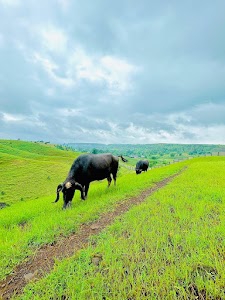



Banswara, Rajasthan, India
What is this place? – Banswara is a city in the southern part of Rajasthan , India , known for its lush green landscape, numerous small islands on the Mahi River , and significant tribal population. It's often called the "City of a Hundred Islands" due to its unique geography.
Why people come here – Visitors are drawn to Banswara for its natural beauty, historical sites, and cultural experiences. The region offers a blend of serene landscapes, ancient temples, and opportunities to explore tribal heritage.
What to expect – I find Banswara to be a relatively calm and less crowded destination compared to other major tourist spots in Rajasthan. You can expect a relaxed atmosphere, friendly locals, and a chance to connect with nature and history. It generally suits those looking for a peaceful getaway or an exploration of regional culture.
Best time to go – The winter months, from October to March, are generally the most pleasant time to visit Banswara. The weather is cool and comfortable, making it ideal for sightseeing and outdoor activities.
Practical info – While exploring, I recommend carrying water and wearing comfortable footwear, especially if you plan to visit historical sites or natural spots. Local transportation like auto-rickshaws and taxis are available for getting around the city and nearby attractions.
Good to know – Banswara is rich in tribal culture, particularly the Bhil tribe. You might encounter vibrant local markets and festivals that showcase their traditions. The city is also known for its bamboo forests, which contribute to its green appearance.
Sajjangarh, Rajasthan, India
What is this place? – Sajjangarh, also known as the Monsoon Palace, is a majestic hilltop palace located on the outskirts of Udaipur , Rajasthan , India . It was built by Maharana Sajjan Singh of the Mewar Dynasty in 1884.
Why people come here – People primarily visit Sajjangarh for its panoramic views of Udaipur city, its lakes, and the surrounding Aravalli hills. It's also a popular spot for its historical significance and stunning sunsets.
What to expect – You'll find a grand palace structure with intricate architectural details, though parts of it are now in ruins. The main draw is the breathtaking vista from the palace, especially during sunset. It can get quite crowded, particularly in the evenings, with both tourists and locals.
Historical background – The palace was originally intended to be a nine-story astronomical observatory to track monsoon clouds. However, due to the Maharana's untimely demise, it was completed as a monsoon retreat and hunting lodge. It offers a glimpse into the royal lifestyle of the 19th century.
Key highlights – The most significant highlight is the viewpoint from the palace terraces, offering unparalleled photographic opportunities. The palace itself, with its white marble facade and domes, is also a key feature.
Best time to visit – The late afternoon and evening are generally the best times to visit Sajjangarh, allowing you to experience the sunset and the city lights illuminating below. The cooler months from October to March are ideal for comfortable exploration.
How much time to spend – I recommend allocating about 1 to 2 hours to explore the palace and enjoy the views. This allows ample time for photography and soaking in the atmosphere.
Practical info – The palace is located within the Sajjangarh Wildlife Sanctuary . You can reach the palace by car or taxi, with a short uphill drive. There's a nominal entry fee for both the sanctuary and the palace.
