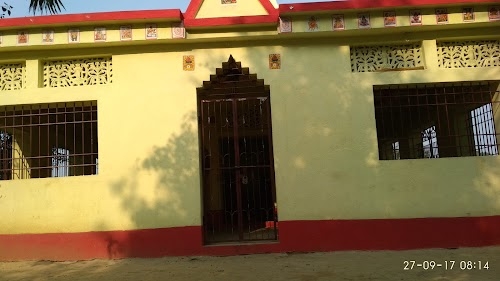
Hindu Temple – This is a sacred Hindu temple dedicated to Lord Shiva, one of the principal deities of Hinduism. It serves as a focal point for devotees to offer prayers and perform various religious rituals.
Why people come here:
Worship & Devotion – People primarily visit to worship Lord Shiva, seek blessings, and participate in religious ceremonies. Many come for spiritual solace, to make offerings, or to observe specific Hindu festivals.
What to expect:
Spiritual Atmosphere – You can expect a serene and spiritual atmosphere, often accompanied by the chanting of mantras and the fragrance of incense. The environment is typically respectful and conducive to quiet contemplation.
Crowds – Crowd levels can vary significantly; it might be peaceful on regular days but become very busy during festivals or special prayer times.
Spiritual or cultural significance:
Devotion to Shiva – Shiv Mandirs are central to Shaivism, a major tradition within Hinduism. They embody ancient beliefs and practices related to creation, preservation, and destruction, all associated with Lord Shiva.
Cultural Hub – Beyond worship, these temples often serve as cultural hubs, preserving traditional art forms, music, and community gatherings, reflecting India's rich spiritual heritage.
Visitor etiquette:
Respectful Dress – I advise visitors to dress modestly, typically covering shoulders and knees, as a sign of respect.
Footwear Removal – It is customary to remove your footwear before entering the main temple premises. There are usually designated areas for shoe storage.
Photography – Photography rules can vary; some areas might prohibit it, especially inside the sanctum sanctorum, so it’s always best to observe signs or ask.
Practical info:
Timings – Opening and closing times generally vary by temple, but most are open from early morning to late evening, often with a midday break.
Accessibility – Accessibility can vary widely; some older temples may have steps and limited ramp access, while newer ones might be more inclusive.
Donations – Donations are welcome but entirely optional, often used for temple maintenance and community services.
Good to know:
Festivals – Visiting during major festivals like Maha Shivaratri can offer a vibrant and immersive cultural experience, though it will be significantly more crowded.
Offerings – Devotees often bring offerings such as flowers, milk, water, or bilva leaves to present to the deity. These are usually available for purchase near the temple entrance.