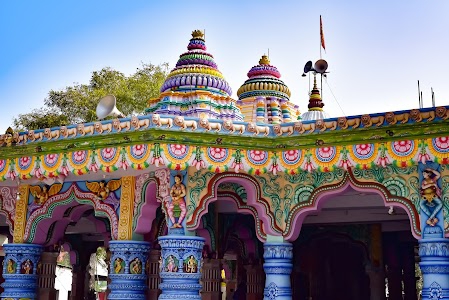
Ancient Complex – This is an ancient and historically significant temple complex located in the archaeological site of Malhar , Chhattisgarh. I see it as a window into India's rich past, showcasing centuries of religious and artistic evolution.
What is this place?
Historical Temples – I see this as a collection of ancient temples and archaeological ruins, primarily dating back to the Kalachuri period, though influences from earlier eras are also present. It's a site that reveals the architectural prowess and religious fervor of bygone dynasties.
Why people come here
History & Devotion – People typically visit to explore the historical architecture, delve into the spiritual ambiance, and witness the intricate sculptures that tell stories of ancient deities and traditions. It's a place where history buffs and devotees find common ground.
Spiritual and Historical Significance
Cultural Crossroads – For me, the Malhar temple complex holds deep spiritual and cultural value. It's known for housing temples dedicated to various deities, including Lord Shiva and Vishnu, and even some Buddhist remains, reflecting a period of diverse religious practices. Its historical roots trace back to ancient kingdoms, making it a crucial site for understanding the region's heritage.
What to expect
Peaceful Exploration – You can expect a serene and contemplative atmosphere amidst ancient stone structures and scattered ruins. The site offers a journey through time, allowing visitors to appreciate the detailed carvings and the overall grandeur of the temples. It's generally a peaceful experience, ideal for quiet exploration.
Key Highlights
Architectural Marvels – I find the various temples within the complex to be the main attractions. Look out for the Pataleshwar Temple with its unique underground Shiva lingam, the Deor Deorani Temple known for its elaborate sculptures, and the remains of other structures that showcase the distinctive Kalachuri style of architecture. The intricate carvings on the walls and pillars are particularly noteworthy.
Best time to go
Cooler Months – The most comfortable time to visit is typically during the cooler months, from October to March. During these months, the weather is pleasant for exploring the outdoor ruins and temples without the discomfort of the intense summer heat.
Visitor Etiquette & Practical Info
Respectful Conduct – When visiting, I recommend dressing modestly as it is a religious site. It's customary to remove your shoes before entering the inner sanctums of active temples. Generally, photography is allowed in most areas, but always be mindful of signage or local guidance regarding specific restrictions. The site is usually accessible during daylight hours, but specific timings may vary. Facilities are typically basic, so come prepared.