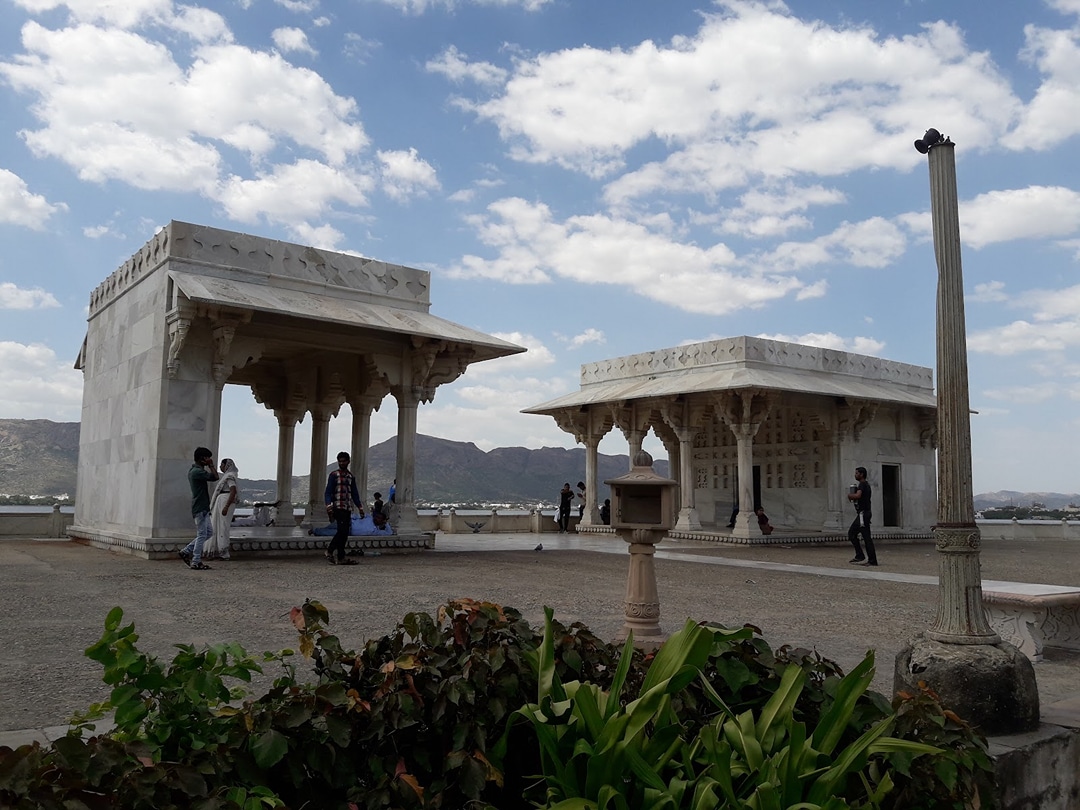
Anasagar Baradari, Park Walkway, Ganj, Ajmer, Rajasthan, India
What is this place?
Historical Pavilion – I see Anasagar Baradari as a series of marble pavilions located on the embankment of Anasagar Lake in Ajmer . These pavilions were built by the Mughal emperor Shah Jahan, offering a serene spot with historical significance and scenic views.
Why people come here
Relaxation and Views – People typically visit the Baradari for its tranquil atmosphere and the beautiful panoramic views it offers of Anasagar Lake. It's a popular spot for leisurely strolls, photography, and simply enjoying the peaceful surroundings away from the city's hustle.
What to expect
Serene Experience – Here, you can expect a calm and relaxing environment. The Baradari consists of several white marble pavilions, providing shaded areas to sit and admire the lake. The area is generally suitable for individuals, couples, and families looking for a quiet outing. Crowd levels can vary, with more visitors during evenings and weekends.
Historical background
Mughal Architecture – The Anasagar Baradari was constructed in the 17th century by Emperor Shah Jahan, known for his architectural contributions including the Taj Mahal . These pavilions were part of the extensive landscaping around the Anasagar Lake , designed to enhance the beauty of the area and serve as royal resting places.
Key highlights
Marble Pavilions and Lake Views – The main highlights are the five exquisite marble pavilions themselves, showcasing Mughal architectural elegance. The unobstructed views of the Anasagar Lake and the surrounding hills are also a significant draw. It’s an ideal place to witness sunsets over the lake.
Best time to go
Evenings and Cooler Months – I find that the best time to visit is typically during the late afternoon or early evening, especially to catch the sunset. Seasonally, the cooler months from October to March are generally more comfortable for a visit, avoiding the intense summer heat of Rajasthan.
Practical info
Open Access – This is an open area, accessible to the public. There are generally no specific entry fees for the Baradari itself, though parking might have a nominal charge if available nearby. Duration of visit can vary, but most visitors spend 30 minutes to an hour here.