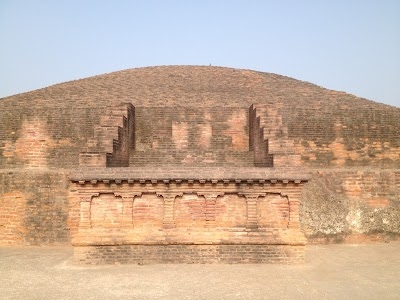
Historical Village – I see Chaneti as a historical village in Haryana , known for its ancient Buddhist Stupa. This site offers a glimpse into the region's rich past and its connection to early Buddhist culture.
What is this place?
Ancient Stupa – This place is primarily known for the remains of an ancient Buddhist Stupa, believed to date back to the Mauryan period. It stands as a significant archaeological site, revealing layers of history and cultural heritage.
Why people come here
History & Heritage – People typically visit Chaneti to explore its historical significance and to witness the remnants of the Buddhist Stupa. It attracts history enthusiasts, archaeologists, and those interested in India's ancient past.
What to expect
Quiet & Reflective – You can expect a relatively quiet and contemplative atmosphere. The site is an archaeological ruin, offering a chance for reflection on ancient times rather than a bustling attraction. It's generally suited for those who appreciate historical sites and cultural exploration.
Historical background
Mauryan Era – The Chaneti Buddhist Stupa is thought to have been constructed during the reign of Emperor Ashoka in the Mauryan period (3rd century BCE). It represents an important link to the spread of Buddhism in ancient India, though much of its original structure is now in ruins.
Key highlights
Stupa Remains – The main highlight is the circular mound that marks the remains of the Stupa. While not fully excavated or restored, it provides a tangible connection to a bygone era. Visitors can observe the general layout and imagine its former grandeur.
Practical info
Open Access – The site is generally accessible during daylight hours. As it's an archaeological site, facilities are basic. I recommend wearing comfortable shoes as you'll be walking on uneven ground.
Good to know
Archaeological Site – Keep in mind that this is an archaeological site, so much of what you see will be remnants and interpretations rather than fully preserved structures. It's a place for imagination and historical appreciation.