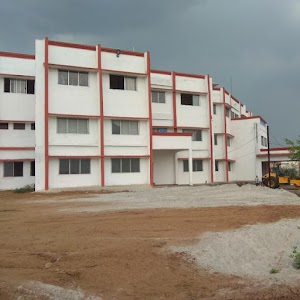
Educational Institute – I understand this is the Indian Institute of Handloom Technology, Champa. It's an educational institution dedicated to promoting and developing the traditional art and science of handloom weaving. Here, students and professionals learn about various aspects of handloom technology, design, and production.
Why people come here
Learning & Research – People primarily come here for academic purposes, seeking specialized education and training in handloom technology. It serves as a hub for those looking to pursue careers in textile design, handloom production, or research related to traditional weaving techniques. Industry professionals might also visit for collaboration or skill enhancement.
What to expect
Academic Environment – When you visit, I anticipate you'll find an academic and vocational setting. Expect classrooms, workshops equipped with handlooms, and potentially design studios. The atmosphere is generally focused on learning, practical application, and the preservation of handloom craft. It’s a place for serious study and skill development.
Educational Focus
Handloom Specialization – My understanding is that the institute focuses on comprehensive training in handloom weaving. This includes subjects like textile science, loom mechanics, fabric design, dyeing, and finishing. The aim is to equip students with both theoretical knowledge and practical skills essential for the handloom industry.
Practical info
Weekday Visits – As an educational institution, visits are typically best during regular working hours on weekdays. If you're not a student or faculty, it's generally advisable to inquire about visiting policies or appointments beforehand, especially if you wish to tour specific facilities or meet with staff.
Good to know
Preserving Heritage – This institute plays a crucial role in preserving India’s rich handloom heritage. By imparting modern technical skills alongside traditional methods, it helps ensure the continuity and evolution of handloom weaving, contributing significantly to both cultural preservation and economic development in the sector.