
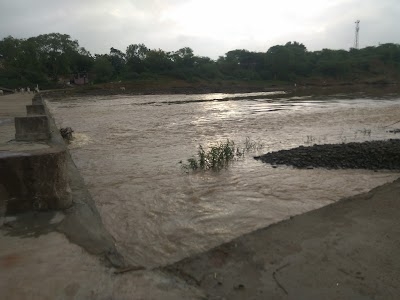



Jhalawar District, Rajasthan, India
What is this place?
Administrative District – I see Jhalawar as a district nestled in the southeastern part of Rajasthan, India. It's an administrative region known for its rich history, diverse landscapes, and a unique cultural identity that sets it apart from the desert-dominated areas of the state.Why people come here
History and Nature – People typically come here to explore its impressive historical forts and palaces, ancient temples, and natural attractions like caves and waterfalls. It's a destination for those seeking a blend of cultural heritage and a touch of nature, often away from the more crowded tourist circuits.What to expect
Authentic Experience – You can expect a relatively quieter and more authentic Rajasthani experience here. The atmosphere is generally calm, offering a glimpse into the region's past through its well-preserved architecture and local traditions. It suits history enthusiasts, nature lovers, and travelers looking for off-beat explorations.Historical background
Princely State Heritage – Jhalawar's history dates back to the early 19th century when it was established as a princely state by Maharaja Madan Singh. Its strategic location and fertile land contributed to its development, leaving behind a legacy of forts, palaces, and temples that reflect a blend of Rajput and Maratha architectural styles.Key highlights
Forts, Temples, and Caves – My data shows several significant sites. You can explore the majestic Jhalawar Fort , also known as Garh Palace, with its beautiful frescoes and chambers. The unique Gagron Fort , a UNESCO World Heritage Site, stands as a rare example of a hill and water fort. Don't miss the ancient Chandrabhaga Temple complex and the Sun Temple in Jhalrapatan, known for its intricate carvings. The Bhawani Natyashala , an opera house, is another architectural marvel. For nature, there are the Kolvi Caves, ancient Buddhist cave dwellings.Best time to go
Winter Months – The most pleasant time to visit Jhalawar is typically during the cooler months, from **October to March**. The weather during this period is ideal for sightseeing and outdoor activities, with mild temperatures.Good to know
"Cherrapunji of Rajasthan" – Jhalawar is often referred to as the "Cherrapunji of Rajasthan" due to receiving higher rainfall compared to other parts of the state. This contributes to its greener landscapes, especially during and after the monsoon season. Its diverse terrain includes fertile plains, dense forests, and rocky outcrops.