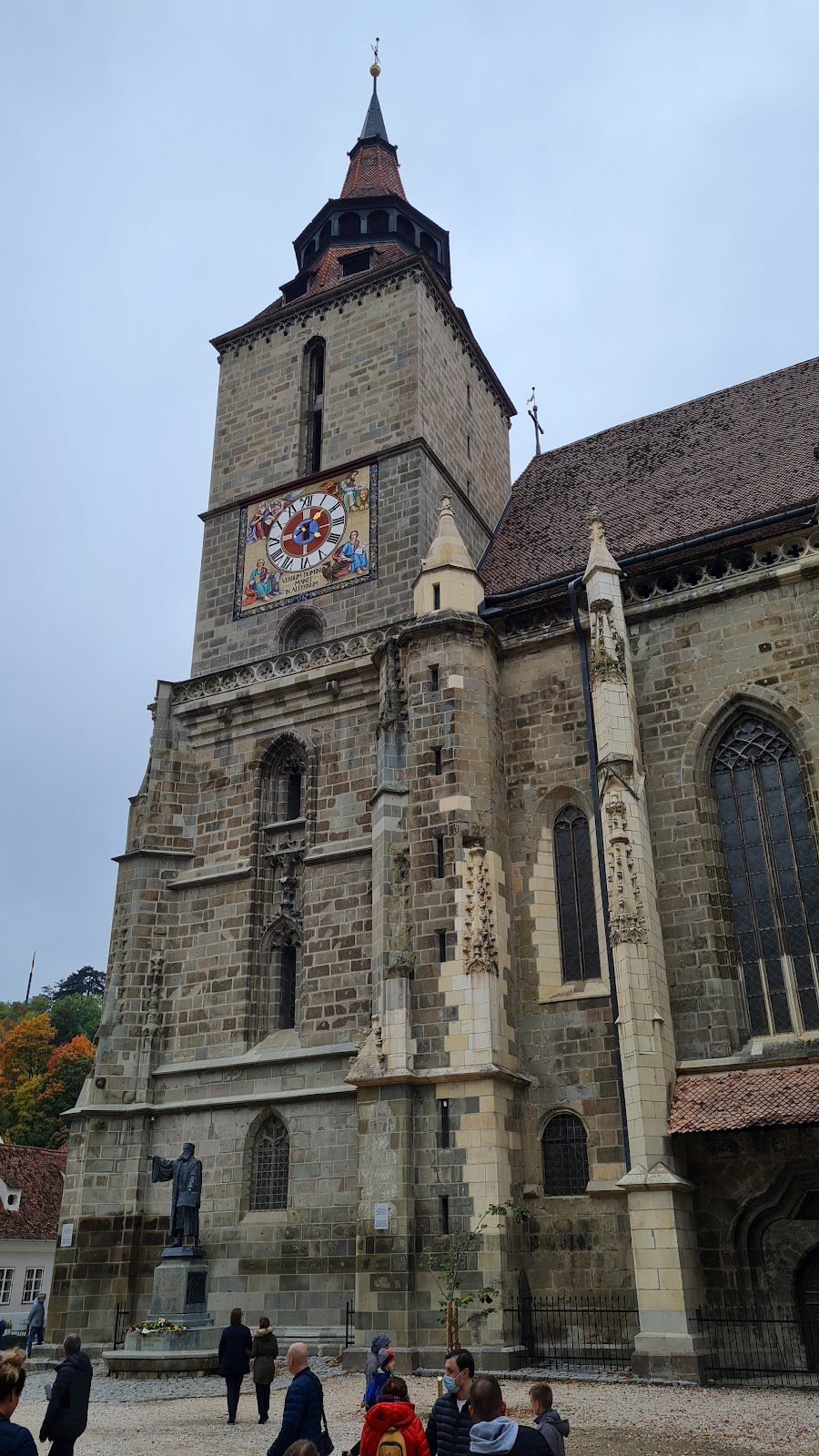
Historic Heart – Centrul Vechi, or the Old Town, is the historical and cultural core of Brașov , Romania. It's where the city's rich past as a medieval Saxon settlement is most evident, characterized by well-preserved architecture and a vibrant street life.
Why people come here
Explore History & Culture – People visit to immerse themselves in the city's history, admire the medieval architecture, and experience the lively atmosphere. It's a central hub for dining, shopping, and cultural events.
What to expect
Lively & Picturesque – You can expect a pedestrian-friendly area filled with cobblestone streets, colorful buildings, and a mix of historical landmarks and modern establishments. The atmosphere is generally lively, with street performers, outdoor cafes, and a diverse crowd of locals and tourists. It suits those interested in history, culture, and a bustling urban experience.
Key highlights
Architectural Gems – I find that the Council Square (Piața Sfatului) is a must-see, surrounded by historic buildings like the Old Town Hall (Casa Sfatului) , which now houses the Brașov County Museum of History . The imposing Black Church (Biserica Neagră) , the largest Gothic church in Romania, is also a significant landmark. Don't miss exploring Rope Street (Strada Sforii) , one of the narrowest streets in Europe.
Best time to go
Spring to Autumn – The Old Town is enjoyable year-round, but late spring, summer, and early autumn (May to September) offer the most pleasant weather for exploring on foot and enjoying outdoor cafes. Evenings are particularly vibrant during these months.
Practical info
Pedestrian Zone – The Old Town is largely a pedestrian-only zone, making it ideal for walking. Parking is generally available in designated areas outside the immediate core. While many places accept cards, having some local currency (Romanian Leu) is useful for smaller purchases or street vendors.
Good to know
Saxon Influence – The architecture and layout of Centrul Vechi strongly reflect its Saxon heritage, as German merchants and craftsmen heavily influenced the city's development. Look out for the various towers and bastions that once formed part of the medieval fortifications.