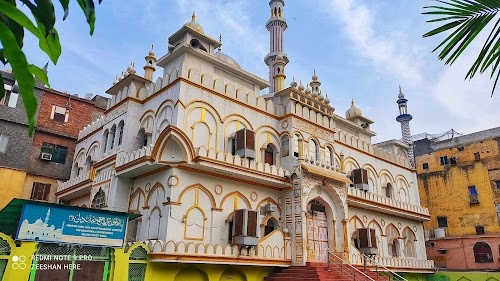
This is a prominent mosque located in the Inderlok area of New Delhi.
What is this place?
Community Mosque – Inderlok Makki Jama Masjid serves as a significant place of worship and community hub for the Muslim population in the Inderlok locality. It's a well-known landmark within the neighborhood.
Spiritual or cultural significance
Local Worship – As a Jama Masjid, it is a central mosque where the congregational Friday prayers (Jummah) are held, in addition to the five daily prayers. It plays a vital role in the religious and social life of the local community.
Why people come here
Prayer & Gathering – People primarily visit for daily prayers (Namaz), especially the larger Friday congregation. It also serves as a place for community gatherings, religious education, and to observe Islamic festivals like Eid.
What to expect
Peaceful Atmosphere – I find that the atmosphere here is generally peaceful and reflective, especially outside of peak prayer times. During prayer hours, particularly for Friday prayers, it becomes vibrant and busy with worshippers. You can expect to see people engaged in devotion and quiet contemplation.
Visitor etiquette
Respectful Conduct – When visiting, it's important to dress modestly, covering shoulders and knees. Women are generally expected to cover their heads. Shoes must be removed before entering the prayer halls. Maintaining silence and respect for those praying is essential. Photography might be restricted in certain areas or during prayer times.
Best time to go
Quieter Visits – For a quieter experience, I recommend visiting outside of the five daily prayer times. Early mornings or late afternoons, before the evening prayer, can offer a more serene environment. To witness the community in full congregation, Friday afternoons are when it's most active.
Practical info
Open Daily – The mosque is generally open from dawn till dusk. Specific prayer timings vary daily based on the sun's position, so it's good to check local prayer schedules if you plan to attend a specific prayer. Facilities typically include separate prayer areas for men and women, and ablution (Wudu) areas.