
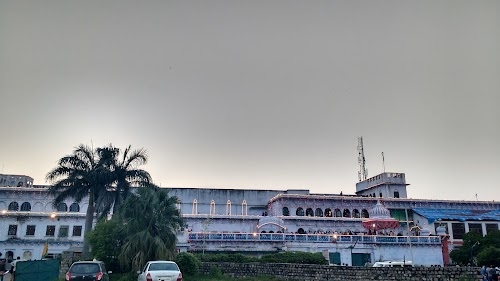




Here’s what I can tell you about Rewa Fort, Uprahti:
What is this place?
Historic Fort – This is a grand historical fort located in the city of Rewa, in the Indian state of Madhya Pradesh. It served as the primary residence and administrative center for the Baghel dynasty rulers of the Rewa State for centuries. The fort complex is a significant architectural and cultural landmark, offering a glimpse into the region’s royal past.Why people come here
History & Culture – People often visit Rewa Fort to explore its rich history, admire the traditional architecture, and learn about the Baghel dynasty. It’s also a key attraction for those interested in the unique story of the white tigers, as this fort played a pivotal role in their conservation. Many come to experience the royal legacy firsthand.What to expect
Royal Ambiance – Expect to step back in time as you wander through the fort’s courtyards, halls, and various structures. I find the atmosphere to be one of quiet grandeur, with a mix of historical exhibits and well-preserved architectural elements. You might encounter other visitors, but it generally offers a contemplative experience, especially in less crowded areas.Key highlights
- Baghel Museum – This museum, housed within the fort, is a central attraction. It showcases a fascinating collection of royal artifacts, including weapons, palanquins, historical documents, and photographs that narrate the history of the Baghel dynasty.
- Durbar Hall – The grand assembly hall where the rulers once held court. Its architecture and scale give a sense of the power and prestige of the erstwhile kingdom.
- White Tiger Exhibit – The fort is famously associated with the capture of Mohan, the world’s first recorded white tiger, in 1951. While the tigers are no longer housed here, there are often exhibits or commemorations of this significant event.
- Architectural Details – Take time to observe the intricate carvings, sturdy walls, and strategic design elements that define this historic structure.
How much time to spend
2-3 Hours – I suggest allocating about two to three hours for a comprehensive visit. This allows ample time to explore the museum, walk through the courtyards, and appreciate the architectural details without feeling rushed.Best time to go
Cooler Months – The most comfortable time to visit is generally during the cooler months, from October to March, when the weather is pleasant for outdoor exploration. Visiting in the early morning or late afternoon can also help you avoid the midday sun and potentially larger crowds.Practical info
Entry & Access – There is typically an entry fee to access the fort and the museum, which may vary for Indian and foreign visitors. The fort involves a fair amount of walking and some stairs, so comfortable footwear is advisable. While specific timings can vary, it’s generally open during daylight hours.Good to know
White Tiger Legacy – Rewa Fort holds a special place in the history of white tigers. The lineage of all white tigers in captivity today can be traced back to Mohan, who was found in the forests near Rewa and brought to the fort. This legacy is a unique aspect of the fort's story.