
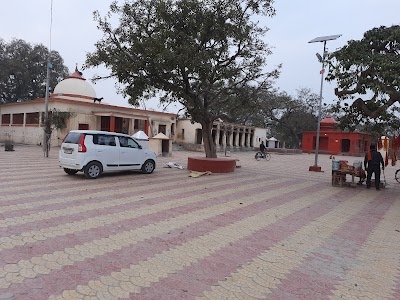



Sonadih Mandir, Doth, Uttar Pradesh, India
What is this place? – I see Sonadih Mandir is a Hindu temple located in Doth, Uttar Pradesh. It serves as a significant religious site for the local community and devotees from surrounding areas.
Why people come here
Devotion & Worship – People primarily visit Sonadih Mandir to offer prayers, perform religious rituals, and seek blessings. It's a place for spiritual solace and fulfilling vows.What to expect
Peaceful Atmosphere – You can expect a calm and devotional atmosphere. The temple typically attracts a mix of local residents and pilgrims, with crowd levels varying depending on the day of the week or specific festivals. It’s generally suitable for individuals and families looking for a spiritual experience.Best time to go
Morning & Evening – The early mornings and evenings are generally considered the best times to visit for prayers and to avoid the midday heat. During major festivals, the temple will be significantly more crowded.Practical info
General Timings – Temple timings generally follow traditional Hindu temple schedules, often opening in the morning, closing for a midday break, and reopening in the evening. It's advisable to check locally for specific daily timings. Dress respectfully, covering shoulders and knees, as is customary in religious places.Good to know
Local Significance – Sonadih Mandir holds local cultural and religious importance, often being a focal point for community gatherings and celebrations during festivals.Spiritual or cultural significance
Hindu Worship – This temple is a place of Hindu worship, dedicated to its presiding deity. It plays a role in the spiritual lives of devotees, offering a space for meditation, prayer, and participation in religious ceremonies. Its significance is rooted in local traditions and beliefs.Visitor etiquette
Respectful Conduct – When visiting, it's important to maintain silence and respect within the temple premises. Photography rules can vary, so it's best to observe signs or inquire if unsure. Removing footwear before entering the main shrine is a common practice.