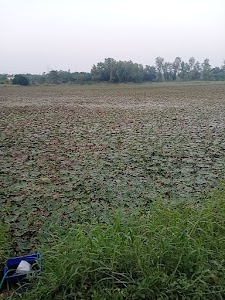
Historic Town – Muli is a significant town and taluka located in the Surendranagar district of Gujarat, India. It holds a rich legacy as a former princely state, deeply rooted in the region's history and culture.
Why people come here
Heritage & Devotion – Visitors are often drawn to Muli for its historical charm and its important religious sites. It's a place where you can explore ancient traditions and experience a sense of spiritual peace. I find that many come to connect with its past and visit its revered temples.
What to expect
Traditional Atmosphere – Here, you can expect a blend of traditional Gujarati rural life with a strong emphasis on cultural and religious heritage. The environment is generally calm and unhurried, reflecting the local way of life.
Spiritual or cultural significance
Sacred Sites – Muli is particularly noted for its revered temples. The Shri Swaminarayan Mandir is a prominent pilgrimage destination for followers of the Swaminarayan sect. Additionally, the ancient Muleshwar Mahadev Temple stands as a testament to the town's enduring spiritual heritage.
Best time to go
Cooler Months – The most pleasant time to visit Muli is generally during the cooler, dry months from October to March. The weather during this period is typically ideal for exploring the town and its surroundings comfortably.
Good to know
Local Connect – Muli is historically associated with the Parmar dynasty, which ruled the area for centuries, leaving behind a legacy that can still be felt. While exploring, you might also notice the town's connection to agriculture, particularly cotton farming and ceramics, which are integral to the local economy.