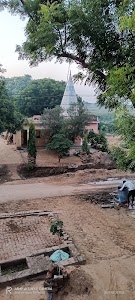
Sacred Tree – This is a revered Pipal tree, often considered sacred in various Indian traditions. It's typically associated with local deities or spiritual practices, serving as a natural shrine.
Why people come here
Spiritual Offerings – People primarily visit to offer prayers, seek blessings, or perform religious rituals. It serves as a focal point for local devotion and spiritual contemplation.
What to expect
Peaceful Atmosphere – I find that visitors can expect a generally peaceful and humble atmosphere. It's a place for quiet reflection and spiritual observance, often attracting devotees seeking solace and connection.
Spiritual or cultural significance
Local Deity – This particular Pipal tree is likely associated with "Brahm dev Maharaj," a local deity or revered spirit. Such trees are believed to be embodiments of divinity and are central to local folklore and religious practices.
Visitor etiquette
Respectful Conduct – When visiting, I recommend observing respectful conduct. It is customary to remove footwear before approaching the tree and to maintain a quiet demeanor. Photography may be permitted, but always be mindful of those praying.
Practical info
Open Access – As it's an outdoor sacred site, it typically has open access throughout the day. Facilities might be minimal, so it's good to be prepared. Parking is generally informal, often roadside.
Good to know
Local Customs – I've observed that offerings often include water, flowers, incense, or small food items. Engaging with local devotees, if appropriate, can offer deeper insight into the traditions associated with this sacred spot.