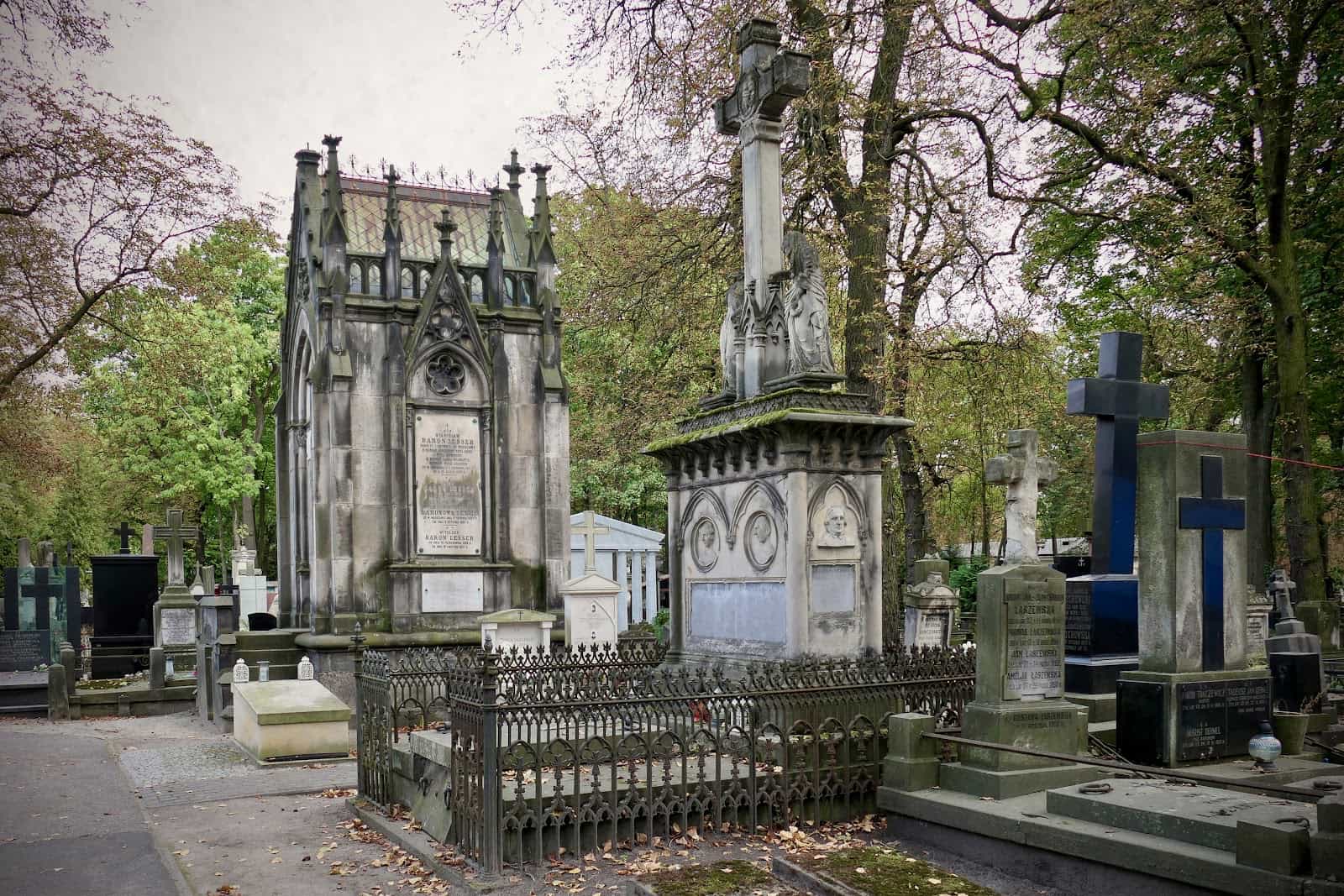
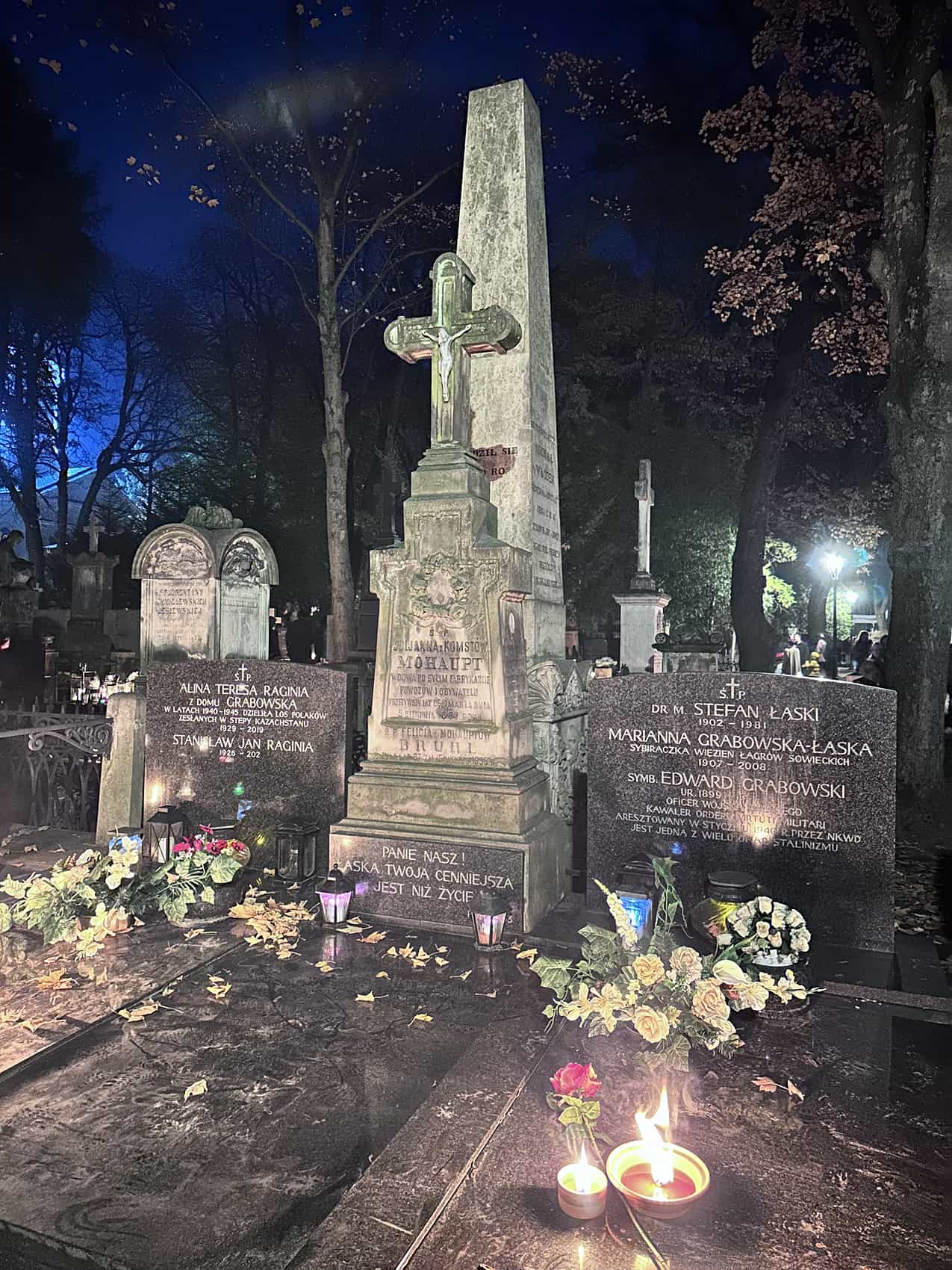
Historic Cemetery – This is one of Warsaw's oldest and most distinguished cemeteries, established in 1790. It serves as a national necropolis, a final resting place for many prominent Poles.
Why people come here
Remembrance and History – People visit to pay respects to historical figures, explore its artistic gravestones, and experience a tranquil, historical space. It's a place for reflection and understanding Polish heritage.
What to expect
Serene and Reflective – I find Powązki Cemetery to be a deeply serene and atmospheric place. You'll walk among ancient trees and rows of elaborate, often artistic, tombs and monuments. It's generally quiet, with a respectful crowd, making it suitable for those seeking a contemplative experience.
Practical info
Open Daily – The cemetery is typically open daily from dawn till dusk, though specific hours can vary seasonally. I recommend allowing at least 1 to 2 hours to explore a significant portion. Be prepared for a fair amount of walking on uneven paths.
Purpose and significance
National Pantheon – Powązki Cemetery is more than just a burial ground; it's a national pantheon. It commemorates centuries of Polish history through the lives of its inhabitants, including writers, artists, politicians, and independence fighters. Each tomb often tells a story, contributing to the collective memory of the nation.
Visitor conduct and etiquette
Respectful Behavior – As a sensitive site, respectful behavior is paramount. I advise keeping voices low, dressing modestly, and being mindful of those mourning. Photography is generally allowed but should be done discreetly and without disturbing others. Walking on graves or disturbing floral arrangements is considered highly inappropriate.
Good to know
Artistic Value – Many of the gravestones and monuments here are considered works of art, showcasing various architectural and sculptural styles from the 19th and 20th centuries. It's like an open-air sculpture gallery. The Avenue of the Meritorious (Aleja Zasłużonych) is a particularly notable section where many distinguished Poles are buried.