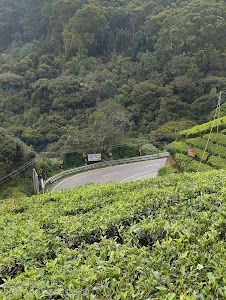
Lush Plantations – This is a picturesque expanse of tea plantations, characteristic of the Nilgiri Hills . Here, you'll find meticulously manicured tea bushes stretching across rolling hills, creating a vibrant green landscape that defines Ooty's identity.
Why people come here
Scenic Beauty – People come here primarily for the stunning panoramic views and the serene atmosphere. It's a perfect spot for nature lovers, photographers, and anyone looking to experience the tranquil beauty of Ooty's famed tea country.
What to expect
Fragrant Serenity – I expect you'll find a peaceful environment filled with the fresh aroma of tea leaves. The air is often cool and crisp, offering a refreshing escape. You can anticipate lush, verdant landscapes that are both calming and visually captivating, often with a gentle breeze.
What to do here
Stroll & Photograph – Enjoy leisurely walks through the tea bushes, taking in the expansive views. It's an ideal location for photography, capturing the natural beauty and the intricate patterns of the plantations.
Learn & Taste – Many tea gardens in Ooty also feature tea factories or shops where you can learn about the tea-making process and sample various local teas. This offers a deeper appreciation for the region's produce.
Best time to go
Daylight Hours – The tea gardens are beautiful throughout the day, especially during morning or late afternoon when the light is softer for photography. Seasonally, the post-monsoon period (October to March) generally offers the most vibrant greenery and pleasant weather.
Practical info
Easy Access – Access to tea gardens is typically straightforward, often located along main roads or easily reachable by local transport. While the terrain involves gentle slopes, it is generally suitable for most visitors. Basic facilities like restrooms or small shops might be available at larger estates.
Good to know
Nilgiri Tea – The tea grown here is known as Nilgiri tea, famous for its distinct aroma and flavor, which is a result of the unique climate and altitude of the Nilgiri Hills . It’s a significant part of the local economy and culture.