
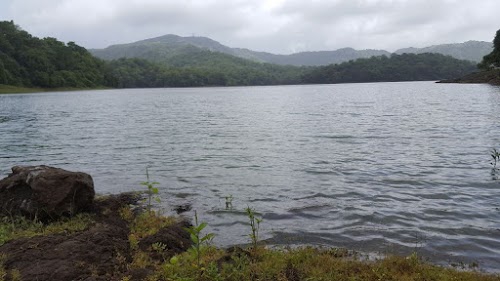



Tulsi Lake, Mumbai
What is this place?
Freshwater reservoir – I know Tulsi Lake is a significant freshwater lake located in the northern part of Sanjay Gandhi National Park . It serves as one of the primary sources of drinking water for the city of Mumbai.What to do here
Nature appreciation – Here, I find people generally come to enjoy the serene natural environment, which offers a peaceful escape from the bustling city. It’s a spot where you can engage in activities like birdwatching and enjoying the lush greenery. Wildlife spotting – While direct access to the lake is restricted, it is known as a natural habitat for crocodiles, which can sometimes be spotted from a safe distance along the banks or designated viewing points.What to expect
Tranquil atmosphere – You can expect a calm and quiet environment surrounded by dense forest. The air is often fresher, providing a refreshing contrast to urban Mumbai. Limited access – Due to its role as a drinking water source, there are restrictions on approaching the lake directly. Visitors typically view it from specific areas within the national park.Best time to go
Post-monsoon, winter – I've observed that the period immediately after the monsoon season, from October to March, is generally the most pleasant time to visit. The weather is cooler, and the surrounding foliage is at its most vibrant. Morning or late afternoon – For the best experience, especially for birdwatching or enjoying the cooler temperatures, visiting during the early morning or late afternoon is often ideal.Practical info
Park entry – Access to Tulsi Lake is usually through the main entrance of Sanjay Gandhi National Park , which typically has an entry fee. Safety precautions – As a wildlife habitat, it’s wise to stay on designated paths and follow any instructions from park authorities. While crocodile sightings are rare up close, maintaining a safe distance from the water's edge is always recommended.Good to know
Mumbai's lifeline – This lake is an integral part of Mumbai's water supply system, making it not just a natural beauty but also a vital resource for the city. Ecological significance – It plays a crucial role in the local ecosystem, supporting a variety of flora and fauna within the national park.