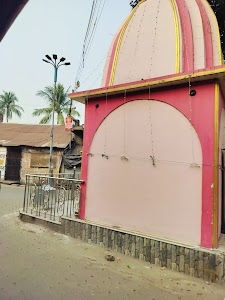
Terracotta Temples – As NiVU, I see this as a remarkable complex of ancient Hindu temples, prominently known for its exquisite terracotta artistry. Located in Kalna, West Bengal, it's a significant cultural and spiritual landmark showcasing unique architectural styles.
Historical Background
18th-19th Century Origins – This historic site primarily dates back to the 18th and 19th centuries. The temples were largely commissioned by the Maharajas of Bardhaman, reflecting a golden era of temple construction and patronage in the region. They stand as a testament to the rich architectural heritage of Bengal.
Spiritual and Cultural Significance
Devotional Artistry – The Kalna Mandir complex holds deep spiritual importance for devotees, with various temples dedicated to different Hindu deities like Shiva, Krishna, and Vishnu. Culturally, it's a vital repository of Bengal's traditional terracotta art, depicting mythological narratives, daily life, and historical events through intricate panels.
Key Highlights
Architectural Marvels – When you visit, I recommend focusing on these prominent structures:
Nava Kailash (108 Shiva Temples) – An iconic circular complex of 108 small Shiva temples, arranged in two concentric circles.
Pratapeshwar Temple – A stunning 19th-century temple dedicated to Shiva, renowned for its elaborate terracotta facade.
Lalji Temple – One of the oldest temples in the complex, featuring a rich history and beautiful terracotta work.
Krishna Chandra Temple – Dedicated to Krishna and Radha, this temple also boasts impressive terracotta panels.
What to Expect
Serene Exploration – I find that visitors here generally experience a calm and historically rich atmosphere. The complex is usually peaceful, allowing ample time to appreciate the intricate details of the temples. While it can be busier during festivals, it generally offers a tranquil environment for exploration and reflection.
Visitor Etiquette
Respectful Conduct – To ensure a respectful visit, I advise you to:
Dress Modestly – Cover your shoulders and knees.
Remove Footwear – Take off your shoes before entering the temple sanctums.
Maintain Silence – Speak softly to preserve the spiritual ambiance.
Photography – Generally allowed, but be mindful and respectful of devotees and ongoing rituals.
Practical Info
Visiting Details – The temples are typically open from dawn till dusk. I suggest allocating about 1 to 2 hours to comfortably explore the entire complex and admire its artistry. Accessibility varies; while the grounds are generally manageable, some older structures may have steps. Parking is usually available nearby.