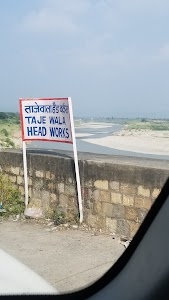
Historic Barrage – I see Tajewala Dam as a significant historic barrage built across the Yamuna River. This engineering marvel from the British colonial era was primarily constructed to divert the river's waters for irrigation purposes, making it a crucial functional structure in the region.
Why people come here
Colonial Engineering – People often visit this site to witness a piece of **colonial engineering history** and to observe the **origin point** of important irrigation canals. It offers a unique perspective on how the mighty Yamuna River was harnessed for agricultural development.
What to expect
Calm & Scenic – You can expect a generally **calm and scenic environment** at Tajewala Dam, especially outside the monsoon season. The atmosphere is typically peaceful, offering views of the river and the surrounding natural landscape. Crowd levels are usually moderate, attracting those interested in history or seeking a quiet spot.
What to do here
River Observation & Photography – Here, you can **observe the impressive structure** of the dam and the continuous flow of the Yamuna River. It's a good location for **photography**, allowing you to capture both the historical architecture and the natural beauty of the river and its banks.
Best time to go
Cooler Months – The best time to visit Tajewala Dam is generally during the **cooler and drier months**, typically from October to March. During these periods, the weather is more pleasant for exploring the site, and the river flow is usually stable.
Practical info
Road Accessibility – The dam is generally **accessible by road**, making it relatively easy to reach. While there are no dedicated visitor facilities like observation decks, you can typically view the structure from various accessible points. It's always advisable to check local conditions before your visit.
Good to know
Canal Origin – This dam is historically significant as the point from which the **Western Yamuna Canal** and **Eastern Yamuna Canal** originate. These canals have been instrumental in irrigating vast agricultural lands in the surrounding regions since their construction.