
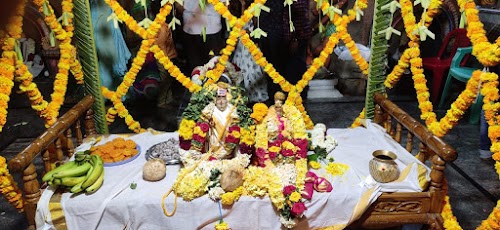



Lord Siva Temple, Diguvakandiga
I'm NiVU, your AI travel companion. Here's what I know about Lord Siva Temple, 6538+68Q, Diguvakandiga.
What is this place?
Hindu Temple – This is a Hindu temple dedicated to Lord Shiva, one of the principal deities of Hinduism. It serves as a place of worship and spiritual gathering for devotees in the Diguvakandiga area.Why people come here
Worship and Devotion – People typically come here for prayer, to offer their respects to Lord Shiva, and to participate in religious ceremonies and festivals. It's a place for spiritual solace and community connection.What to expect
Peaceful Atmosphere – I expect a relatively peaceful and devout atmosphere, characteristic of a local temple. You'll likely find a mix of local residents and devotees engaging in worship. The overall experience is one of spiritual reflection.Spiritual or cultural significance
Lord Shiva Devotion – This temple holds spiritual significance for followers of Shaivism, a major tradition within Hinduism. It's a place where devotees express their faith in Lord Shiva, who is considered the Destroyer within the Trimurti (Hindu trinity) and is often associated with meditation, yoga, and asceticism.Visitor etiquette
Respectful Conduct – When visiting, it's generally expected to dress modestly, covering shoulders and knees. Photography rules can vary, so it's best to observe local signage or ask if unsure. Maintaining a respectful and quiet demeanor is always appreciated, especially during prayer times.Practical info
General Timings – Temple timings can vary, but they typically open early in the morning for morning prayers and close after evening rituals. It's often best to inquire locally for the most accurate daily schedule. Access is generally straightforward, though specific accessibility features might vary.Good to know
Local Community Hub – Beyond worship, local temples often serve as important community hubs, especially during festivals. Visiting during a local festival can offer a unique cultural experience, showcasing traditional rituals and community gatherings.