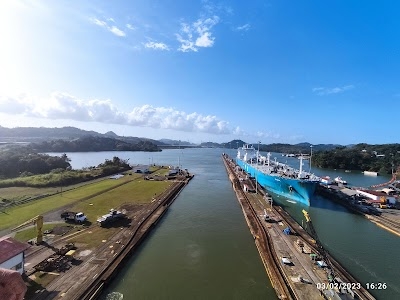
Engineering Marvel – The Panama Canal is an artificial waterway that connects the Atlantic Ocean with the Pacific Ocean, significantly reducing travel time for ships by eliminating the need to navigate around the southern tip of South America. It's a monumental feat of engineering.
Why people come here
Witness History – People visit to witness one of the world's greatest engineering achievements in action, observing massive ships pass through its lock systems. It's a chance to understand global trade and maritime history firsthand.
What to expect
Operational Spectacle – You can expect to see large vessels, from cargo ships to cruise liners, being carefully guided through the locks. The atmosphere is often one of awe and fascination, with dedicated visitor centers providing excellent viewing platforms and educational exhibits.
Historical background
Century of Passage – Construction of the canal began in 1881 by France, but it was ultimately completed by the United States and officially opened in 1914. Its creation transformed global shipping and geopolitics.
Key highlights
Lock Systems – The canal operates using a system of locks that raise and lower ships to different water levels. The most popular viewing points are at the Miraflores Visitor Center and the Agua Clara Visitor Center , where you can watch the lock operations up close. The Panama Canal Museum in Casco Viejo offers deeper historical context.
How much time to spend
2-4 Hours – A typical visit to one of the visitor centers, including watching ships and exploring the exhibits, generally takes about 2 to 4 hours. If you opt for a partial transit tour, that can extend to several hours.
Practical info
Visitor Centers – The main visitor centers, like Miraflores, offer observation decks, museums, and often a short film about the canal's history and operation. Facilities usually include restrooms, gift shops, and sometimes cafes. Accessibility is generally good at these centers.
Good to know
Ship Schedule – Ship transits are continuous, but there are typically peak times for viewing. It's often best to check the official Panama Canal Authority website for ship schedules, as early morning and late afternoon can be particularly busy with larger vessels.