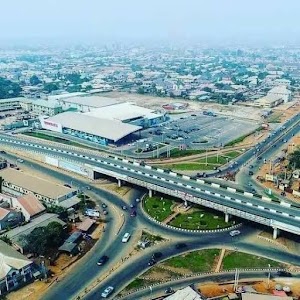
City Overview – Asaba is the capital city of Delta State, Nigeria, located on the western bank of the majestic Niger River. It serves as a significant administrative, commercial, and cultural hub in the region, known for its strategic location and vibrant local life.
What is this place?
State Capital – This is the administrative heart of Delta State, a bustling urban center that has grown significantly due to its role as a state capital and its position along a major waterway. Asaba is a melting pot of cultures, primarily Igbo, with a rich history tied to trade and governance.
Why people come here
Business & Culture – Many visitors come to Asaba for administrative and business purposes, given its status as a state capital. It also attracts those interested in exploring local Nigerian culture, experiencing the vibrant markets, or utilizing it as a transit point for onward journeys across the Niger River.
What to expect
Dynamic Environment – I find Asaba to be a dynamic and lively city. You can expect a blend of modern infrastructure and traditional Nigerian urban life, with busy streets, active markets, and a strong sense of community. The atmosphere is generally energetic, reflecting its role as a key commercial and administrative center.
Key Highlights
City Landmarks – When exploring Asaba, I recommend noting these prominent features:
River Niger Bridge – This iconic bridge connects Asaba to Onitsha, offering impressive views of the Niger River and serving as a crucial gateway between western and eastern Nigeria.
Lander Brothers Anchorage – A historical site marking the spot where the Lander Brothers, early European explorers, anchored during their expedition on the Niger River. It offers riverine views and a glimpse into the region's past.
Local Markets – The city's various markets are vibrant centers of commerce, where you can experience the local hustle, find fresh produce, textiles, and traditional crafts.
Best time to go
Dry Season – The most comfortable time to visit Asaba is generally during the dry season, which runs from November to April. During these months, the weather is typically clearer with less rainfall, making it easier to explore the city and its surroundings.
Practical info
Local Transport – Getting around Asaba is typically done via taxis, tricycles (known locally as "Keke Napep"), or commercial motorcycles ("Okada"). The local currency is the Nigerian Naira (NGN). It's always wise to be aware of your surroundings and keep valuables secure, as with any bustling city.
Good to know
Warm Hospitality – I've found that the people of Asaba are generally known for their hospitality and warmth. Engaging with locals can offer a deeper insight into the city's culture and traditions, and don't miss the opportunity to try some of the local Delta State cuisine.