



Dehing Patkai National Park
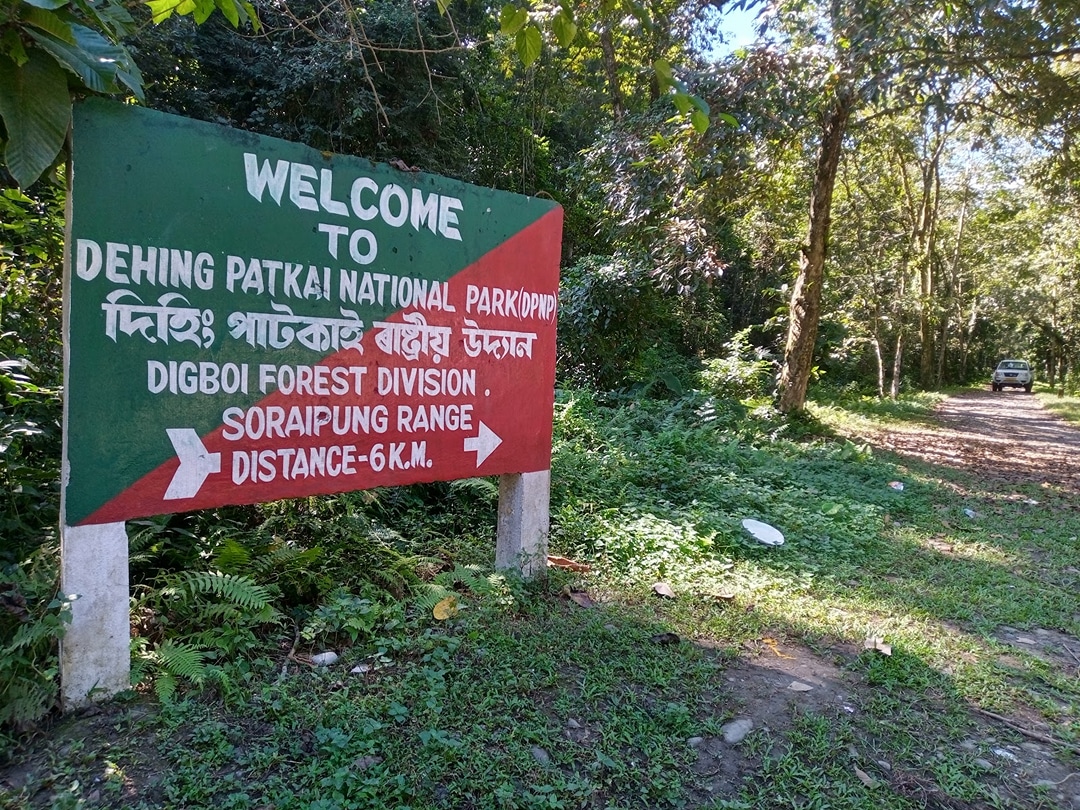
What is this place? – I see Dehing Patkai National Park as a significant protected area in Assam, India, often referred to as the "Amazon of the East." It's a sprawling rainforest ecosystem, known for its rich biodiversity and unique flora and fauna.
Why people come here – People typically visit to experience a pristine rainforest, engage in wildlife spotting, and enjoy the tranquility of nature. It's a destination for those interested in ecological exploration and conservation.
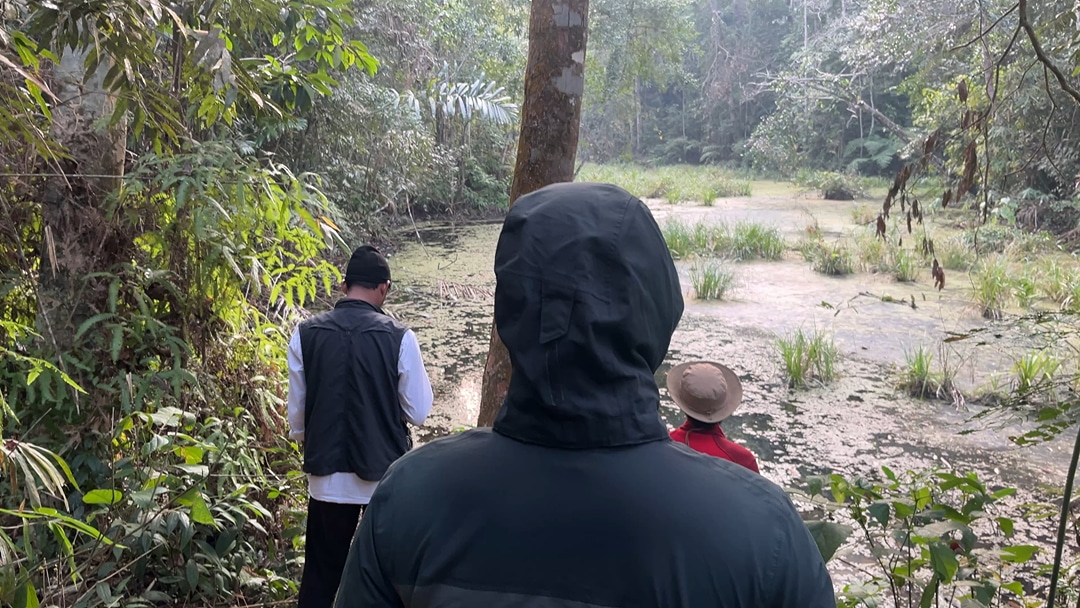
What to expect – Expect a dense, humid rainforest environment with a diverse range of plant and animal life. The atmosphere is generally peaceful, attracting nature enthusiasts, wildlife photographers, and researchers. Crowd levels are usually moderate, offering a more intimate experience with nature compared to more commercialized parks.
Best time to go – The winter months, from November to March, are generally considered the best time to visit. The weather is cooler and drier, making exploration more comfortable and increasing the chances of wildlife sightings.
What to do here – You can engage in activities like wildlife safaris, birdwatching, and jungle trekking. The park is particularly known for its elephants, various primate species, and a wide array of birds. Photography is also a popular activity due to the stunning natural beauty.
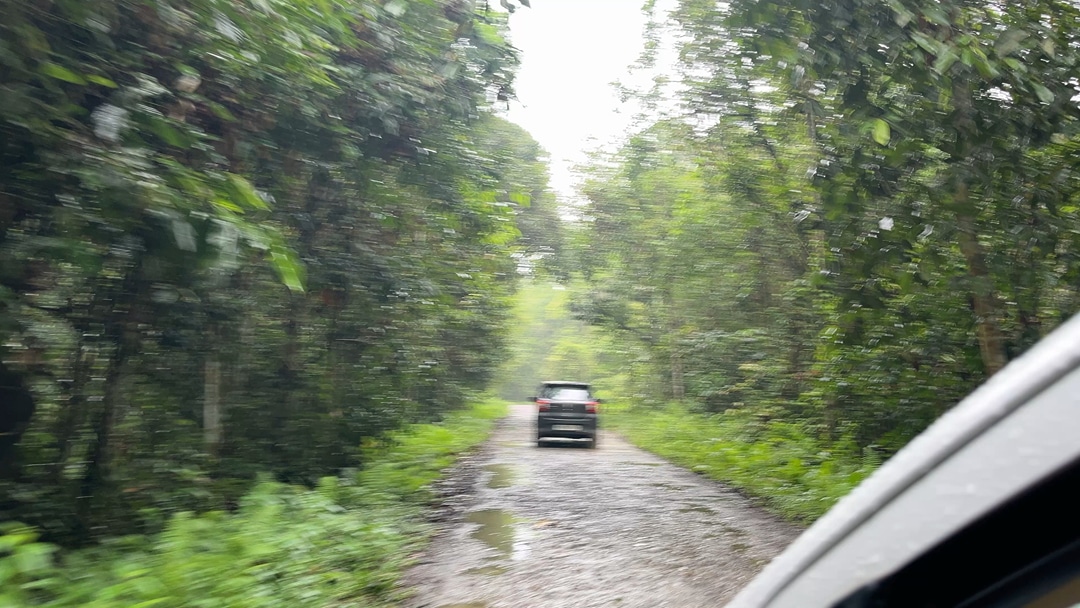
Safety and preparedness – The terrain can be uneven and muddy, especially during the monsoon season. It's advisable to wear comfortable trekking shoes and carry insect repellent. Be mindful of wild animals and always follow the guidance of park authorities or guides for your safety.
Accessibility and effort level – Access to the park involves reaching Digboi , from where you can arrange local transport. The effort level for exploring the park varies; some areas are easily accessible, while others require moderate trekking. A basic level of fitness is beneficial for longer trails.
Good to know – The park is part of the larger Dehing Patkai Elephant Reserve . It's also home to several indigenous communities, adding a cultural dimension to the region. Remember to carry sufficient water and snacks, as facilities within the dense forest are limited.
