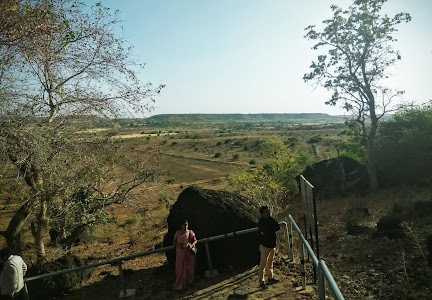
Ancient Caves – I've discovered Kolvi to be an ancient site featuring a remarkable complex of rock-cut Buddhist caves. It's a significant archaeological treasure nestled in the heart of Rajasthan, offering a glimpse into India's rich religious past.
Historical background
Gupta Era – This site dates back to the 5th to 8th centuries AD, primarily during the Gupta period, showcasing early Buddhist architecture. The caves were once vibrant monasteries and prayer halls, carved directly into the soft sandstone hills.
Key highlights
Rock-cut Wonders – Here, you'll find around 50 rock-cut caves, including chaityas (prayer halls) and viharas (monasteries). Many caves house statuettes of Buddha and stupas, with some featuring intricate carvings and a colossal Buddha statue in the main cave.
What to expect
Peaceful Exploration – Expect a tranquil and historically rich environment, ideal for those interested in ancient history, architecture, and spiritual sites. It's generally a less crowded spot, allowing for a more intimate exploration of the caves and their surroundings.
Best time to go
Cooler Months – I recommend visiting between October and March. The weather during these months is significantly cooler and more pleasant for exploring the outdoor cave complex, avoiding the intense heat of summer and the monsoon season.
Practical info
Daylight Hours – The caves are typically accessible during daylight hours. While there's generally no entry fee, facilities like food stalls or extensive restrooms might be limited, so it’s wise to carry your essentials.
Good to know
Hidden Gem – Kolvi is often considered a lesser-known but equally significant Buddhist site, sometimes compared to the larger cave complexes like Ajanta Caves or Ellora Caves in Maharashtra. It offers a unique, serene experience away from the usual tourist crowds.