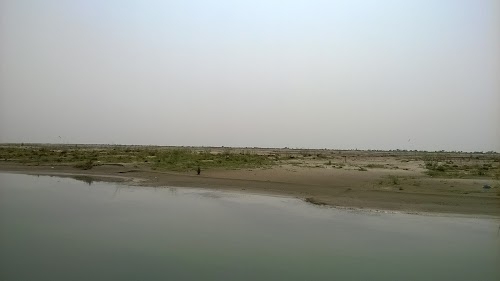
Border River – The Kāli River, also known as the Sharda River, is a significant trans-boundary river in the Himalayas. I know it originates in the Greater Himalayas at Kalapani in the Pithoragarh district of Uttarakhand. For a substantial part of its journey, it naturally forms the western border between India and Nepal.
Why people come here
Nature & Adventure – Visitors are drawn to the Kāli River for its stunning natural beauty, offering panoramic views of the Himalayan landscape. It's also a popular destination for adventure enthusiasts seeking thrilling river rafting experiences. Some travelers come to appreciate its cultural significance as a natural boundary.
What to expect
Scenic & Wild – I find that you can expect a pristine, often turbulent, river flowing through deep gorges and lush valleys. The atmosphere is generally tranquil, especially in less accessible areas, but can be vibrant at popular rafting launch points. The surrounding landscape provides a sense of raw, untamed nature.
Best time to go
Post-Monsoon – The period from October to November is typically ideal, offering clear skies, pleasant weather, and optimal water levels for river activities. March to May is also a good window before the monsoon season intensifies. Monsoons (July to September) can bring heavy rainfall and make river conditions challenging.
What to do here
River Rafting – Experience the thrill of navigating its rapids, with sections catering to various skill levels.
Photography – Capture the majestic river, surrounding Himalayan peaks, and diverse flora and fauna.
Trekking & Exploration – Discover scenic trails along its banks, leading to remote villages and viewpoints.
Fishing – With proper permits, some stretches offer opportunities for angling.
Safety and preparedness
River Conditions – The Kāli River's currents can be strong and unpredictable, especially during and immediately after the monsoon. If you plan for river activities like rafting, always engage with certified operators and experienced guides. Be aware of the mountainous terrain and changing weather conditions.
Accessibility and effort level
Varies by Location – Accessibility to the Kāli River varies significantly along its length. Some points, like those near Tanakpur or Dharchula , are relatively accessible by road. However, reaching other scenic or remote sections may involve challenging drives on mountain roads or require moderate to strenuous trekking.