
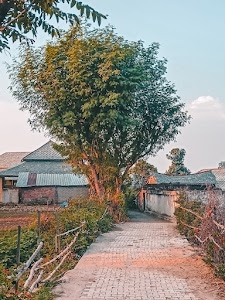



Dharamsala, Himachal Pradesh, India
What is this place? – I see Dharamsala as a prominent hill station nestled in the Kangra Valley of Himachal Pradesh. It's widely known as the winter capital of Himachal Pradesh and is a significant cultural and spiritual center.
Why people come here – Many people visit Dharamsala for its spiritual ambiance, particularly due to the presence of the Dalai Lama and the Tibetan government-in-exile. It's also a popular destination for those seeking tranquility, natural beauty, and a taste of Tibetan culture.
What to expect – You can expect a blend of Indian and Tibetan cultures, with vibrant monasteries, bustling markets, and serene mountain views. The atmosphere is generally peaceful yet lively, attracting spiritual seekers, trekkers, and travelers interested in cultural immersion.
Best time to go – The spring (March to June) and autumn (September to November) months are generally considered the best times to visit, offering pleasant weather for sightseeing and outdoor activities.
Practical info – The town is spread across different levels, with Lower Dharamsala being the commercial hub and Upper Dharamsala (McLeod Ganj ) being the main tourist area. Public transport within the town largely consists of shared taxis and local buses.
Good to know – Dharamsala is often referred to as "Little Lhasa" due to its large Tibetan population and cultural influence. It's a great place to explore Tibetan cuisine, handicrafts, and Buddhist philosophy.
Spiritual or cultural significance
Tibetan Buddhism – Dharamsala is the spiritual home of the 14th Dalai Lama and the seat of the Tibetan government-in-exile. This makes it a crucial center for Tibetan Buddhism and culture outside of Tibet.What to do here
- Monastery visits – You can explore various monasteries, including the Tsuglagkhang Complex , which houses the Dalai Lama's residence, temples, and museums.
- Trekking and hiking – The surrounding Dhauladhar range offers numerous trekking trails, ranging from easy walks to challenging multi-day treks.
- Cultural immersion – Engage with Tibetan culture through local markets, craft shops, and authentic eateries.
