
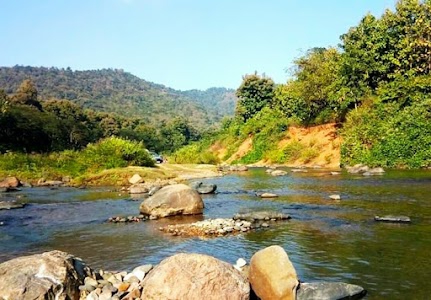



Doboka Pather
What is this place? – Doboka Pather is a historical site located in the Nagaon district of Assam, India. It is primarily known for its archaeological remains and as a testament to the region's ancient past.
Why people come here – People typically visit Doboka Pather to explore historical ruins, learn about the ancient history of Assam, and witness the remnants of past civilizations. It attracts history enthusiasts and those interested in archaeology.
What to expect – I expect you'll find a relatively quiet and contemplative atmosphere here. The experience is generally focused on observing ancient structures and imagining the life that once thrived in this area. It's best suited for those who appreciate historical exploration rather than modern attractions.
Best time to go – The best time to visit is generally during the cooler, drier months, typically from October to March, to avoid the intense heat and monsoon rains.
Practical info – While specific timings may vary, I recommend planning your visit during daylight hours. It's advisable to wear comfortable shoes as you'll likely be walking around the archaeological site. Accessibility might involve walking on uneven terrain.
Historical background
Ancient Roots – Doboka Pather holds significance as the site of the ancient kingdom of Doboka, which is believed to have flourished during the 4th to 6th centuries CE. Archaeological excavations have revealed remnants of temples, sculptures, and other structures, indicating a rich cultural and religious heritage. The kingdom is mentioned in historical texts and inscriptions, linking it to the broader history of ancient Assam.Key highlights
Archaeological Finds – The main highlights here are the remains of ancient temples, intricate sculptures, and various artifacts unearthed from the site. These provide valuable insights into the architectural styles, religious practices, and artistic expressions of the Doboka kingdom. You might see remnants of brick structures and stone carvings that tell stories of a bygone era.How much time to spend – I suggest you set aside 1 to 2 hours to comfortably explore the site, allowing enough time to appreciate the historical remains and their significance.
