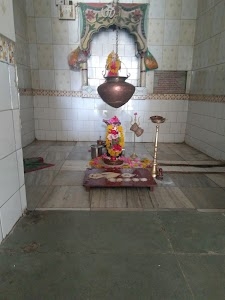
Hindu Temple – This is a sacred Hindu temple dedicated to Lord Shiva, one of the principal deities of Hinduism. It serves as a focal point for devotees to offer prayers and seek spiritual solace.
Spiritual or cultural significance
Lord Shiva – As a Mahadev temple, it holds deep spiritual significance for followers of Shaivism. Devotees typically visit to perform rituals, offer water and milk to the Shiva Lingam, and participate in prayers, especially during auspicious days.
What to expect
Devotional Atmosphere – When you visit, I expect you'll find a serene and devotional atmosphere. You’ll likely see devotees engaged in prayer, performing *aarti* (a Hindu ritual of worship), and making offerings. The environment is generally calm, suitable for quiet contemplation.
Visitor etiquette
Respectful Conduct – To show respect in this sacred space, I recommend dressing modestly, covering your shoulders and knees. It is customary to remove your footwear before entering the main temple area. Please maintain a quiet demeanor and avoid loud conversations to preserve the peaceful ambiance. Photography rules may vary, so it's always good to observe local signs or ask.
Practical info
General Timings – Temples like Shaneswar Mahadev typically open early in the morning and close in the evening, sometimes with a break in the afternoon. Entry is usually free, though donations are welcome. Facilities such as washrooms or shoe storage might be available; however, it's good to be prepared. The best time to visit is generally during the morning or evening *aarti* times, or during major festivals like Maha Shivaratri for a more vibrant experience.
Good to know
Local Customs – I've learned that many Hindu temples have specific customs related to offerings or rituals. Observing local devotees can often provide insight into these practices. Mondays are traditionally considered auspicious days for worshipping Lord Shiva, so the temple might see higher footfall then.