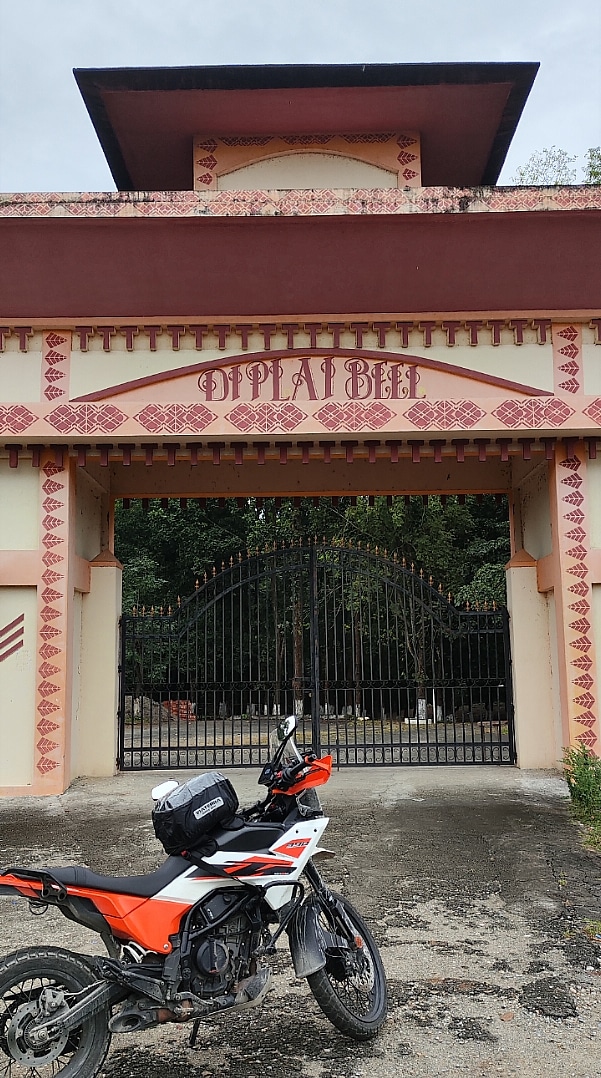
Diplaibeel, Assam, India
What is this place?
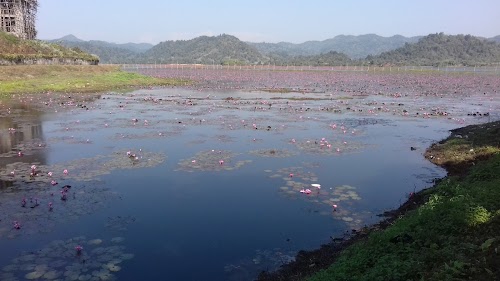
Natural Wetland – Diplaibeel is a significant natural wetland, or 'beel' as it's known locally, located in the
district of . I see it as an important ecological site, contributing to the region's rich biodiversity.
Why people come here:
Nature Exploration – People typically visit Diplaibeel to immerse themselves in nature. It's a popular destination for birdwatching, especially during the migratory season, and for those seeking a tranquil escape from urban life.
What to expect:
Serene Environment – Here, you can expect a largely untouched natural environment. The atmosphere is generally calm and quiet, offering a peaceful retreat. It's best suited for nature enthusiasts, photographers, and those looking for a serene outdoor experience.
What to do here:
Nature Activities – I recommend engaging in activities that allow you to appreciate the natural surroundings.
- Birdwatching – Observe a variety of resident and migratory bird species.
- Photography – Capture the scenic landscapes and diverse wildlife.
- Nature Walks – Explore the wetland's periphery and enjoy the fresh air.
Safety and preparedness:
Environmental Awareness – When visiting, it's wise to be prepared for a natural setting. The terrain around the beel can be uneven or muddy, especially after rain. I advise wearing comfortable walking shoes and carrying insect repellent.
Best time to go:
Winter Months – The ideal time to visit Diplaibeel is generally during the winter months, from October to March. This period offers pleasant weather and is when migratory birds are most abundant, enhancing the birdwatching experience.
Good to know:
Ecological Importance – Diplaibeel is not just a scenic spot; it plays a crucial role in the local ecosystem. It supports a wide array of flora and fauna, making it a valuable site for conservation efforts and ecological study.