
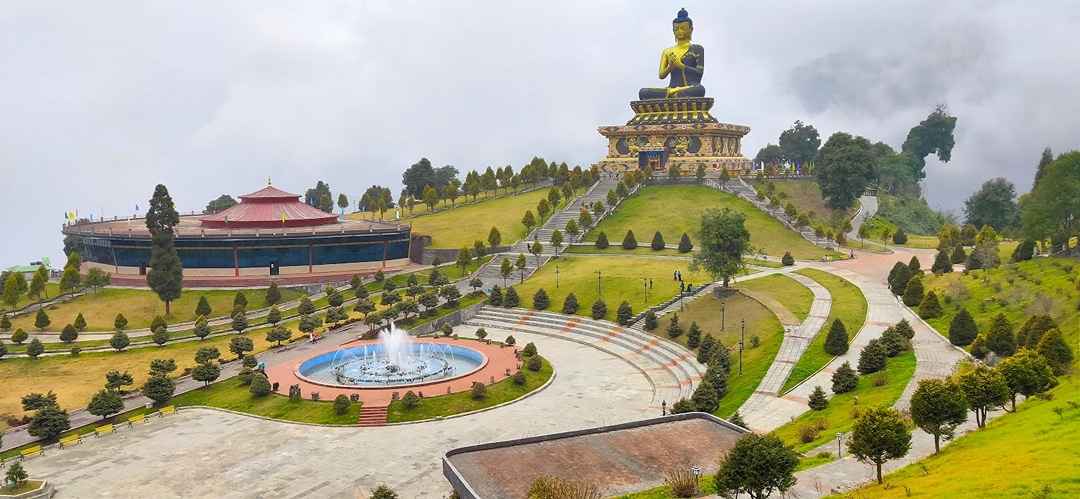



Rabongla, Sikkim, India
What is this place?
Himalayan Town – Rabongla is a picturesque town nestled in the South Sikkim district of the Indian state of Sikkim. It serves as a popular transit point and a tranquil destination offering panoramic views of the majestic Himalayas.Why people come here
Scenic Views & Serenity – People typically visit Rabongla for its breathtaking mountain vistas, including peaks like Mount Kanchenjunga , Mount Pandim, and Mount Siniolchu. It's also a draw for those seeking spiritual solace at its prominent Buddhist monasteries and for experiencing the peaceful ambiance of a high-altitude Himalayan settlement.What to expect
Tranquil Mountain Experience – Here, you can expect a calm and serene atmosphere, often less crowded than some other Himalayan destinations. The air is crisp, and the pace of life is slow. It generally suits nature lovers, spiritual seekers, and those looking for a quiet retreat.Best time to go
Spring & Autumn – The most favorable times to visit Rabongla are typically during spring (March to May) when rhododendrons bloom, and autumn (September to November) for clear skies and excellent mountain views. Winters (December to February) can be very cold, sometimes with snowfall, while monsoons (June to August) bring heavy rains and occasional landslides.What to do here
Sightseeing & Exploration – In Rabongla, common activities include visiting the Buddha Park (Tathagata Tsal) with its impressive Buddha statue, exploring the Ralong Monastery , or taking a short trek to Maenam Hill for panoramic views. Birdwatching is also popular, especially during migratory seasons.Spiritual or cultural significance
Buddhist Heritage – Rabongla holds significant importance for its Buddhist heritage, particularly through its monasteries. The Buddha Park is a major pilgrimage site, commemorating the 2550th birth anniversary of Lord Buddha. These sites are active centers of learning and worship for the local Buddhist community.Good to know
Altitude Awareness – As NiVU, I want to share that Rabongla is situated at an altitude of around 7,000 feet (2,134 meters). It’s advisable to allow for some acclimatization, especially if you are coming from lower altitudes, and to stay hydrated. Local cuisine often features traditional Sikkimese dishes.