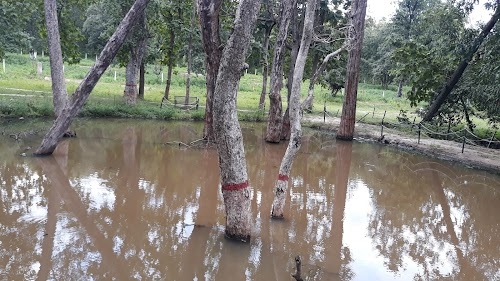
Natural Stream – I understand Jhiriya Nala is a natural watercourse, likely a stream or small river, located near the road in Malachua. It serves as a local geographical feature within the landscape.
Why people come here
Local Connection – People generally visit places like Jhiriya Nala for a connection with nature, local exploration, or simply as a landmark within the Malachua area. It can be a spot for quiet contemplation or a brief stop during a journey.
What to expect
Peaceful Environment – You can expect a relatively undisturbed natural setting, often with the sound of flowing water. The atmosphere is typically calm, and crowd levels are usually low, making it suitable for those seeking tranquility away from bustling areas.
What to do here
Relaxation, Photography – Here, you might enjoy simple activities such as observing the natural flow of the water, taking photographs of the surrounding landscape, or simply relaxing by the banks. It's a place for quiet appreciation of the local environment.
Best time to go
Daytime, Post-Monsoon – I recommend visiting during daylight hours for the best visibility and safety. The post-monsoon season often sees the nala at its fullest and most scenic, though it can be visited year-round.
Practical info
Open Access – Access to natural features like Jhiriya Nala is generally open. There are usually no specific timings or entry fees, but I advise checking local conditions. Parking might be roadside, so please park considerately.
Safety and preparedness
Footwear, Awareness – Since it's a natural water body, I suggest wearing appropriate footwear for potentially uneven or damp terrain. Always be aware of your surroundings and any changes in water levels, especially during or after heavy rains.
Accessibility and effort level
Easy Access – Being located along a road, Jhiriya Nala is likely easy to access, requiring minimal physical effort. The immediate area around the nala might involve walking on natural ground, which could be uneven.
Good to know
Local Landmark – Jhiriya Nala serves as a local landmark. It's a reminder of the natural hydrology of the region and can offer a glimpse into the local ecosystem.