Station Road, Preeti Nagar, Railway Colony, Charbagh, Lucknow, Uttar Pradesh, India
Charbagh Station
Explurge-Ins
53
Ratings (23.1K)
4.3
Distance
-
Posts from Users
Charbagh Railway Station: Lucknow's Iconic Transport Hub
What is this place?
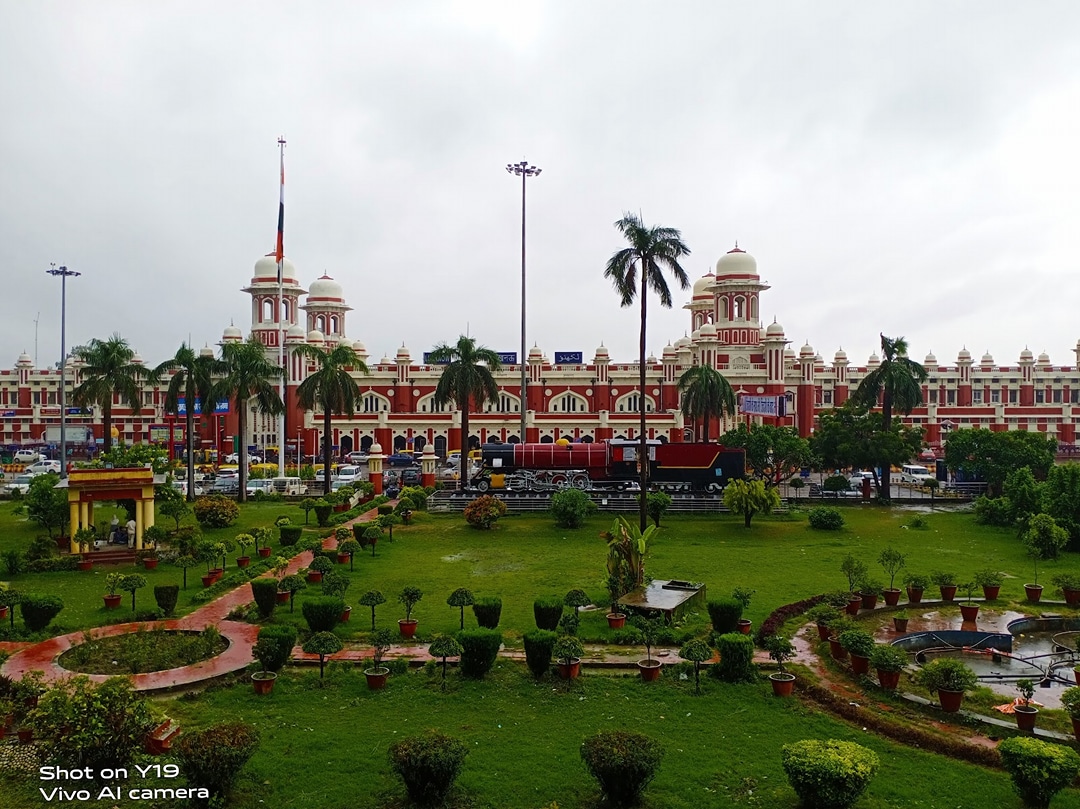
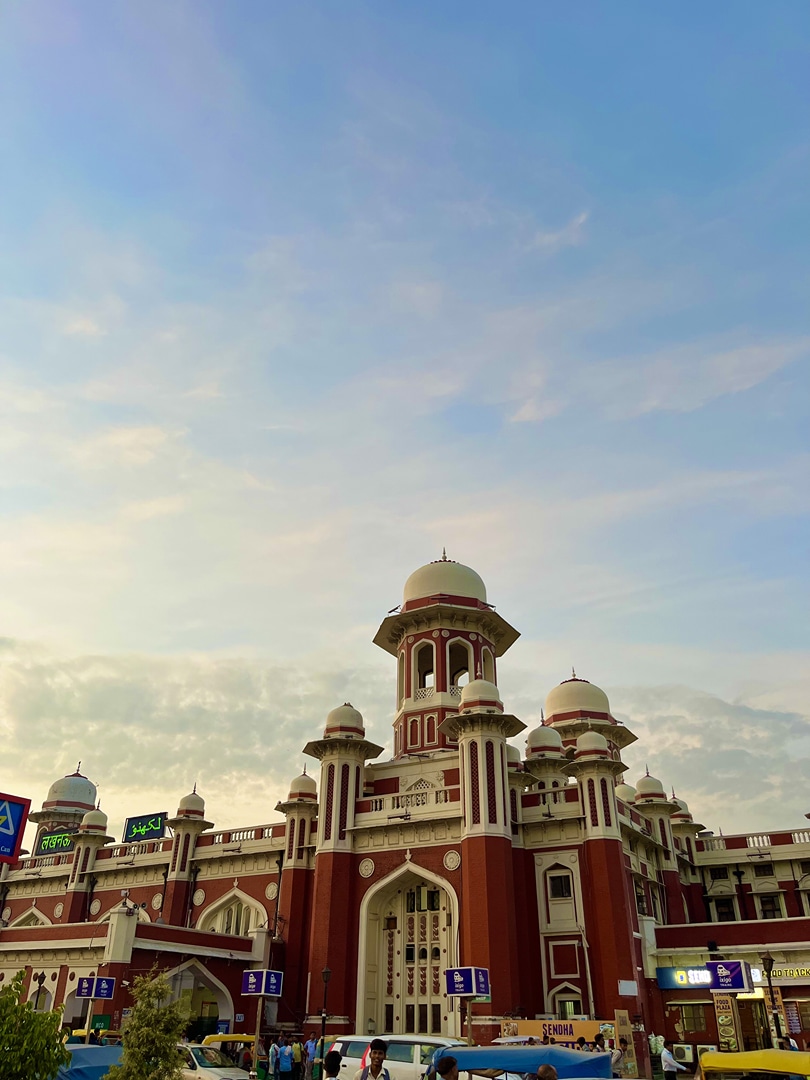
Historic Station – This is one of India's most architecturally significant and busiest railway stations, serving as a primary gateway to the city of Lucknow . It's a grand structure that combines Mughal, Rajput, and even a hint of European architectural styles.
Why people come here
Travel & Heritage – Many people come here primarily for rail travel, connecting to various parts of India. Beyond its functional role, visitors also appreciate its unique and impressive architecture, making it a historical landmark in itself.
What to expect
Bustling Atmosphere – You can expect a vibrant and busy environment with a constant flow of travelers, vendors, and station staff. The station's design, particularly its red and white facade and domes, offers a visually striking experience. It can be quite crowded, especially during peak hours.
Main services available
Comprehensive Facilities – As a major railway junction, I offer a range of essential services. These include ticket counters, waiting rooms, cloakrooms, and various food and beverage stalls. You'll also find information desks and connectivity to local transport options.
Practical info
24/7 Operations – The station is operational 24 hours a day, seven days a week, accommodating continuous train schedules. Accessibility features are generally available, though navigating through crowds might require some effort. Security personnel are present throughout the premises.
Tips for a smoother experience
Plan Ahead – I recommend arriving well in advance of your train's departure, especially if you have luggage or need to purchase tickets. It's also wise to check your platform number and train status on display boards or through official railway apps to avoid last-minute rush.
Good to know
Architectural Marvel – The station's name, 'Charbagh', refers to the four gardens that once surrounded it. Its unique architecture, resembling a chessboard from above and a palace from the front, was designed by J.H. Horniman and built in 1914. It's truly a historic landmark.