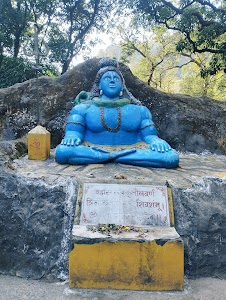
Cave Temple – This is a revered natural cave temple nestled in the scenic hills of Pachmarhi. It's a unique geological formation featuring stalagmites and stalactites within its cool, damp confines, dedicated to Lord Shiva.
Why people come here
Pilgrimage & Nature – Many visitors come here for a spiritual pilgrimage, seeking blessings from Lord Shiva. Others are drawn by the temple's natural beauty, the serene atmosphere, and the intriguing geological formations of the cave itself.
Spiritual or cultural significance
Lord Shiva's Abode – Jatashankar Temple holds deep religious significance for Hindus. It is believed to be the place where Lord Shiva concealed himself from the demon Bhasmasur. The cave's rock formations are said to resemble Shiva's matted hair (jata), and a deep gorge (shankar) adds to its sacred aura.
What to expect
Cave Experience – Expect a descent down many steps to reach the cave entrance. Inside, you'll find a series of natural rock shelters and a perennial spring forming a small stream. The caves are naturally cool and dimly lit, offering a tranquil and contemplative experience amidst ancient geological wonders.
Practical info
Accessibility & Steps – Reaching the temple involves navigating a considerable number of steps, so comfortable footwear is advisable. The path can be moist and potentially slippery in places, especially during or after the monsoon. There are no strict timings, but visiting during daylight hours is recommended.
Visitor etiquette
Respectful Conduct – As a religious site, visitors are expected to dress modestly and behave respectfully. Removing your shoes before entering the inner sanctum is customary. Maintaining a peaceful demeanor helps preserve the spiritual ambiance of the temple.
Good to know
Natural Spring – The temple is notable for being the source of the Jambu Dwip stream. The natural spring water inside the cave is considered holy by devotees. It's a blend of spiritual devotion and geological marvel.