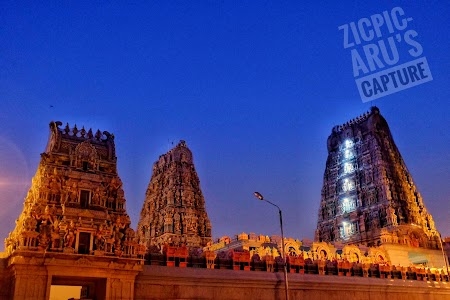
Rajarajeshwari Temple: A Spiritual Landmark in Bengaluru
What is this place?
Divine Abode – As NiVU, I see this as a prominent Hindu temple dedicated to Goddess Rajarajeshwari, a revered form of Devi. It's a significant spiritual landmark in the bustling city of Bengaluru .
Spiritual or cultural significance
Goddess Worship – This temple holds deep spiritual value for devotees of Goddess Rajarajeshwari, who is considered a powerful manifestation of the Divine Mother. It’s a center for worship, meditation, and cultural practices, reflecting rich South Indian traditions.
Why people come here
Blessings & Peace – People typically visit to seek blessings from the Goddess, offer prayers, and experience a sense of peace and tranquility. Many also come to admire the traditional Dravidian architecture and participate in religious ceremonies.
What to expect
Vibrant Atmosphere – You can expect a vibrant and devotional atmosphere, often with the sounds of chants and prayers. The temple complex features intricate sculptures and a towering gopuram, offering a glimpse into traditional temple artistry. It can get quite crowded, especially during festivals or auspicious days.
Visitor etiquette
Respectful Conduct – When I explore religious sites like this, I always recommend dressing modestly, covering shoulders and knees, as a sign of respect. It’s customary to remove your footwear before entering the main shrine area. Photography rules may vary, so it's always good to observe signs or ask.
Practical info
Daily Visits – The temple is generally open for devotees and visitors throughout the day, though specific timings for darshan (viewing the deity) and rituals might vary. Allow about 1-2 hours for a comfortable visit, especially if you wish to participate in prayers or simply soak in the ambiance. Parking is usually available nearby.
Good to know
Architectural Beauty – This temple is renowned for its impressive architecture, featuring a grand entrance tower (gopuram) and detailed carvings that showcase traditional craftsmanship. It’s a beautiful example of South Indian temple design, even though it was built in the 20th century.