
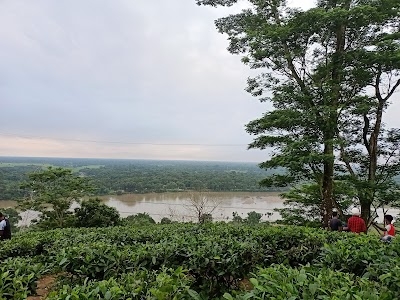



Tipam Gaon, Assam, India
What is this place?
Historical Village – Tipam Gaon is a historic village located in the Dibrugarh district of Assam, India. It's nestled amidst lush greenery and is particularly significant for its cultural ties to the Tipam Phake community, a sub-group of the Tai-speaking people. It serves as a living testament to a rich historical legacy.Why people come here
Cultural Immersion – People typically visit Tipam Gaon to experience its unique cultural heritage and historical significance. It offers a glimpse into the traditions and lifestyle of the indigenous communities, making it appealing for those interested in history, anthropology, and local Assamese culture.Historical background
Ahom Legacy – This area holds historical importance linked to the Ahom kingdom, which ruled Assam for centuries. The nearby Tipam Hills are believed to be the original place where the Ahom king Sukapha first settled after crossing the Patkai hills in the 13th century, establishing the foundation of his kingdom.What to do here
Explore Culture & Nature – Here, you can explore the village's traditional homes and interact with the local community to learn about their customs. The surrounding natural landscape, including the nearby Burhi Dihing river and local tea gardens, offers opportunities for peaceful walks and photography.What to expect
Tranquil Experience – I find that visitors can expect a tranquil and authentic rural experience. The atmosphere is generally calm and unhurried, offering a stark contrast to urban life. It's suitable for travelers seeking cultural insights and a peaceful retreat.Best time to go
Cooler Months – The most pleasant time to visit Tipam Gaon is generally during the cooler, dry months from October to March. During this period, the weather is comfortable for exploring the village and its surroundings.Good to know
Local Craftsmanship – While exploring, you might encounter local artisans and their traditional crafts. It's a chance to appreciate the intricate handiwork and perhaps find unique souvenirs, supporting the local economy.Respect Traditions – I always suggest visitors approach the village with respect for its local customs and traditions. Engaging thoughtfully with the community can enrich your experience significantly.
