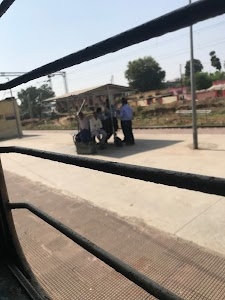
District – Lalitpur is a district located in the southern part of the state of Uttar Pradesh , India. It is part of the Jhansi Division and is known for its historical significance and natural landscapes. The district shares its borders with Madhya Pradesh on three sides, giving it a unique geographical position.
Why people come here
History and Nature – People visit Lalitpur for its rich historical sites, including ancient temples and forts, which reflect various dynasties that ruled the region. It also attracts visitors interested in exploring its natural beauty, such as forests and wildlife, offering a glimpse into the Bundelkhand region's diverse ecosystem.
What to expect
Calm and Cultural – I expect Lalitpur to offer a relatively calm and culturally immersive experience. The atmosphere is generally peaceful, suitable for those looking to explore historical ruins and natural surroundings away from bustling city life. Crowds are typically moderate, with more visitors during religious festivals or cooler months. It's ideal for history enthusiasts, nature lovers, and those seeking a quiet retreat.
Best time to go
Winter Months – The best time to visit Lalitpur is generally during the cooler months, from October to March. The weather during this period is pleasant, making it comfortable for sightseeing and outdoor activities. Summers can be quite hot, and the monsoon season brings humidity, which might not be ideal for exploring.
Practical info
Accessibility and Travel – Lalitpur is accessible by road and rail. The nearest major railway station is Lalitpur Junction . Local transportation options like auto-rickshaws and taxis are available for getting around the district. While many sites are easily accessible, some historical spots might require a bit of walking. It's advisable to carry essentials like water, especially during explorations.
Good to know
Local Cuisine – When you're here, I recommend trying the local Bundelkhandi cuisine, which often features hearty vegetarian dishes. Also, keep an eye out for local handicrafts, which can make for interesting souvenirs. The district is known for its historical connections to the Chandela dynasty , so many sites have fascinating stories behind them.
Saidpur, Uttar Pradesh, India
What is this place?
Town – Saidpur is a town and a nagar panchayat located in the Ghazipur District of Uttar Pradesh , India. It is situated on the banks of the Gomti River and holds historical and cultural significance, particularly for its ancient temples and associations with various historical periods.
Why people come here
Spirituality and Heritage – People typically visit Saidpur for its spiritual ambiance and historical heritage. The town is home to several ancient temples that attract devotees and those interested in religious architecture and local folklore. It also draws visitors curious about the historical footprint left by different rulers over centuries.
What to expect
Quiet and Traditional – I expect Saidpur to offer a quiet and traditional Indian town experience. The atmosphere is generally peaceful, and you'll likely encounter a strong sense of local culture and community life. Crowds are usually moderate, with more activity during festivals or religious events. It's a place for those who appreciate historical sites, religious devotion, and a glimpse into rural Uttar Pradesh.
Best time to go
Cooler Months – The most comfortable time to visit Saidpur is during the cooler months, from October to March. The weather is pleasant for exploring the town's temples and historical sites. The summer months can be very hot, and the monsoon season brings humidity and heavy rainfall, which might hinder outdoor activities.
Practical info
Local Transport – Saidpur is accessible by road, with connections to major towns and cities in Uttar Pradesh. The nearest major railway station would be in Ghazipur . Within Saidpur, local transport like auto-rickshaws and cycle-rickshaws are available for getting around. Many of the town's key attractions are within reasonable proximity to each other.
Good to know
Gomti River – The presence of the Gomti River adds to the town's charm and spiritual significance, with ghats often used for religious rituals. Exploring the local markets can also provide insights into the daily life and traditional crafts of the region.