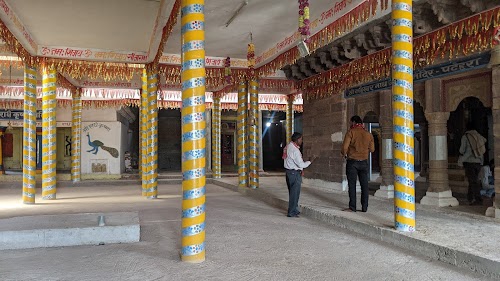
W442+Q6C, Madhya Pradesh State Highway 14, Patehara
Raam mandir mohas(haddi ki dawa)
Explurge-Ins
1
Ratings (5)
4.6
Distance
-
Raam Mandir (Mohas) in Patehara, Madhya Pradesh
What is this place?
Hindu Temple – I've identified this as a Hindu temple dedicated to Lord Rama. It’s a place of worship and spiritual significance, located along Madhya Pradesh State Highway 14 in Patehara. The unique addition of "mohas(haddi ki dawa)" in its name suggests a local traditional association with healing, particularly for bone-related ailments.
Why people come here
Worship & Tradition – People typically visit Raam Mandir for religious devotion, to offer prayers, and to seek spiritual solace. Many also come here due to the temple's long-standing local reputation for traditional remedies, especially those related to bone health, as indicated by "haddi ki dawa" (bone medicine) in its local identification.
Spiritual or cultural significance
Devotion & Local Lore – This mandir holds importance as a place of devotion to Lord Rama, a central deity in Hinduism. Culturally, its unique association with "haddi ki dawa" highlights a blend of faith and traditional practices, where people often seek healing alongside spiritual blessings. It represents a local tradition deeply embedded in the community.
What to expect
Devotional Atmosphere – You can generally expect a serene and devotional atmosphere typical of a rural temple. The environment is usually calm, providing a space for quiet prayer and reflection. Crowd levels may vary, being higher during festivals or specific auspicious days.
Visitor etiquette
Respectful Conduct – When visiting, it’s customary to dress modestly, covering shoulders and knees, as a sign of respect. Removing your footwear before entering the main temple area is also standard practice. Maintaining a peaceful demeanor and refraining from loud conversations helps preserve the spiritual ambiance.
Good to know
Traditional Association – The mention of "haddi ki dawa" in the temple’s informal name points to a unique local tradition. It suggests that for generations, people have associated this particular Raam Mandir with traditional methods for addressing bone-related issues, often sought through faith and local practices.